March 25, 2026
Most plumbing problems start small. A dripping tap, a drain that clears a little more slowly than it used to, a shower that has lost some pressure. Left alone, several of them turn into something considerably more expensive.
According to the EPA, ten percent of homes have leaks that waste 90 gallons or more of water every day. That is the scale of what goes unnoticed in an average street.
Here are five of the most common faults, and the point at which each one stops being a DIY job.
1. Persistent Leaks
Leaks usually start at a worn seal, a corroded section of pipe, or a failing fixture. A dripping tap is easy to ignore, but it wastes a surprising amount of water over a year and often points to something further back in the system.
The leaks that cause real damage are the ones you cannot see. Water escaping behind a wall or under flooring can go undetected for months, weakening structural timber and creating the damp conditions mold needs.
Tightening a connection or applying sealant may stop a drip for a while, but it rarely addresses the cause. A plumber can locate hidden leaks using electronic detection equipment and fix the source, which is the difference between a repair that holds and one you revisit in six months.
2. Clogged Drains and Toilets
Hair, grease, soap residue, and the occasional object that should never have gone down the drain account for most blockages. Slow drainage, gurgling sounds, or a smell coming back up the drain are the early warnings.
When one fixture is affected, the blockage is usually local. When several are affected at once, the problem is further down the line, and that is the point to stop reaching for the plunger.
A plumber will use a drain snake, hydro jetting, or a camera inspection depending on what the blockage turns out to be. Camera inspection matters here because it identifies whether you are dealing with a simple clog or something structural such as root intrusion.
Prevention is straightforward. Fit drain screens, keep grease out of the sink, and have the lines cleaned periodically if you have a history of blockages.
3. Water Heater Faults
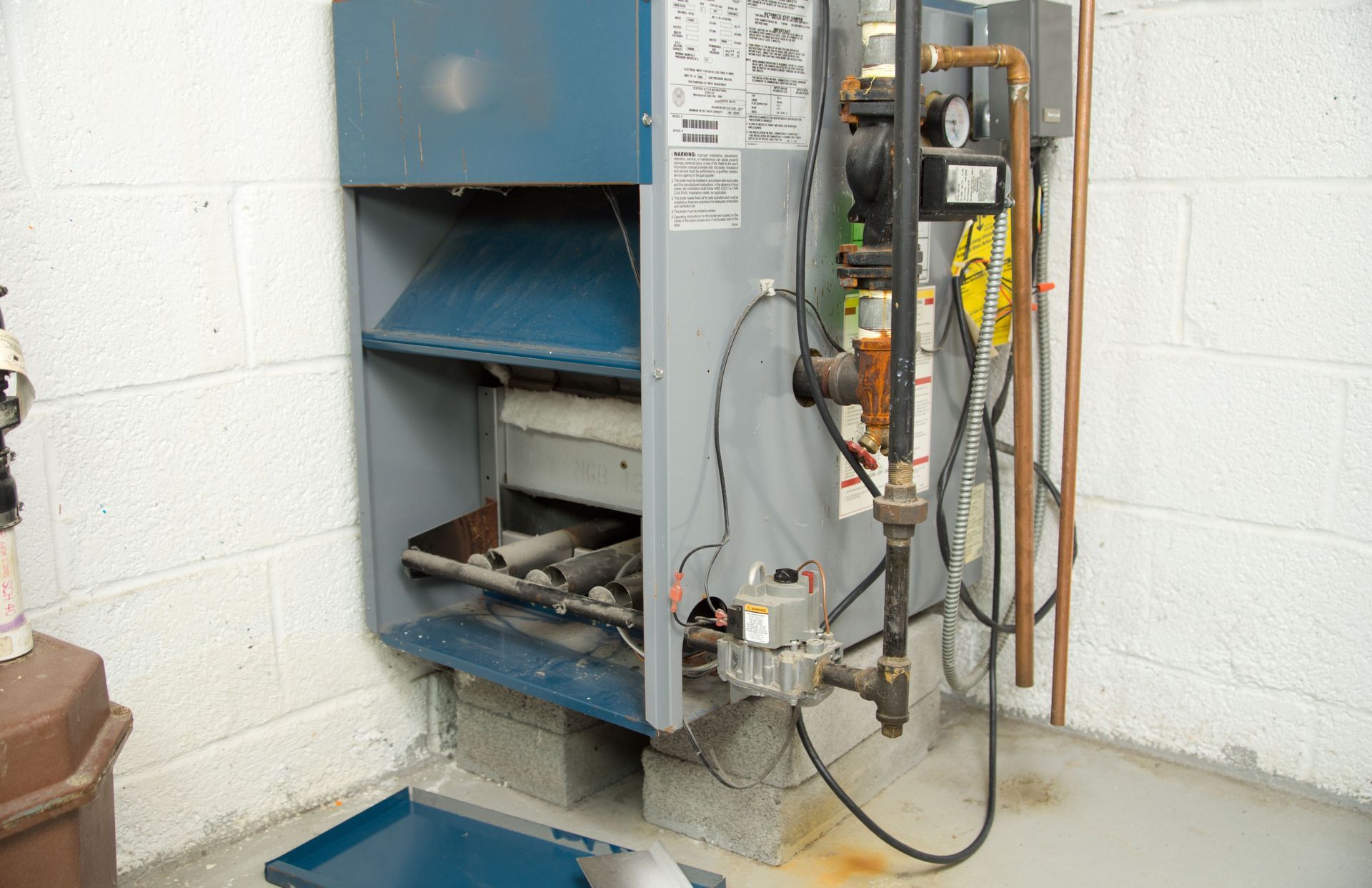
Inconsistent temperatures, a shorter hot water supply than you used to get, rumbling from the tank, or water pooling at the base are all signs the unit needs attention.
Sediment buildup is the usual culprit. Minerals settle at the bottom of the tank and form a barrier between the heat source and the water, so the system runs longer and harder to do the same job. Flushing the tank resolves it if it is caught before the components are damaged.
This is one to leave to a professional, because water heaters involve gas or electrical connections alongside the plumbing. A trained technician can diagnose the fault safely and tell you honestly whether a repair or a replacement makes more sense.
4. Low Water Pressure
Low pressure makes everything slower and more irritating, and it usually has one of a handful of causes: mineral buildup narrowing the pipes, a hidden leak somewhere in the system, a failing pressure regulator, or a problem with the municipal supply.
Working out which one it is matters, because the fixes are entirely different. Pressure testing and pipe evaluation tell a plumber whether the problem is confined to one fixture or affects the whole property.
It is also worth taking seriously rather than living with it. A sudden drop in pressure across the house can indicate a leak you have not found yet.
5. Burst Pipes and Sewer Line Failures
These are the ones that cause the most damage in the shortest time.
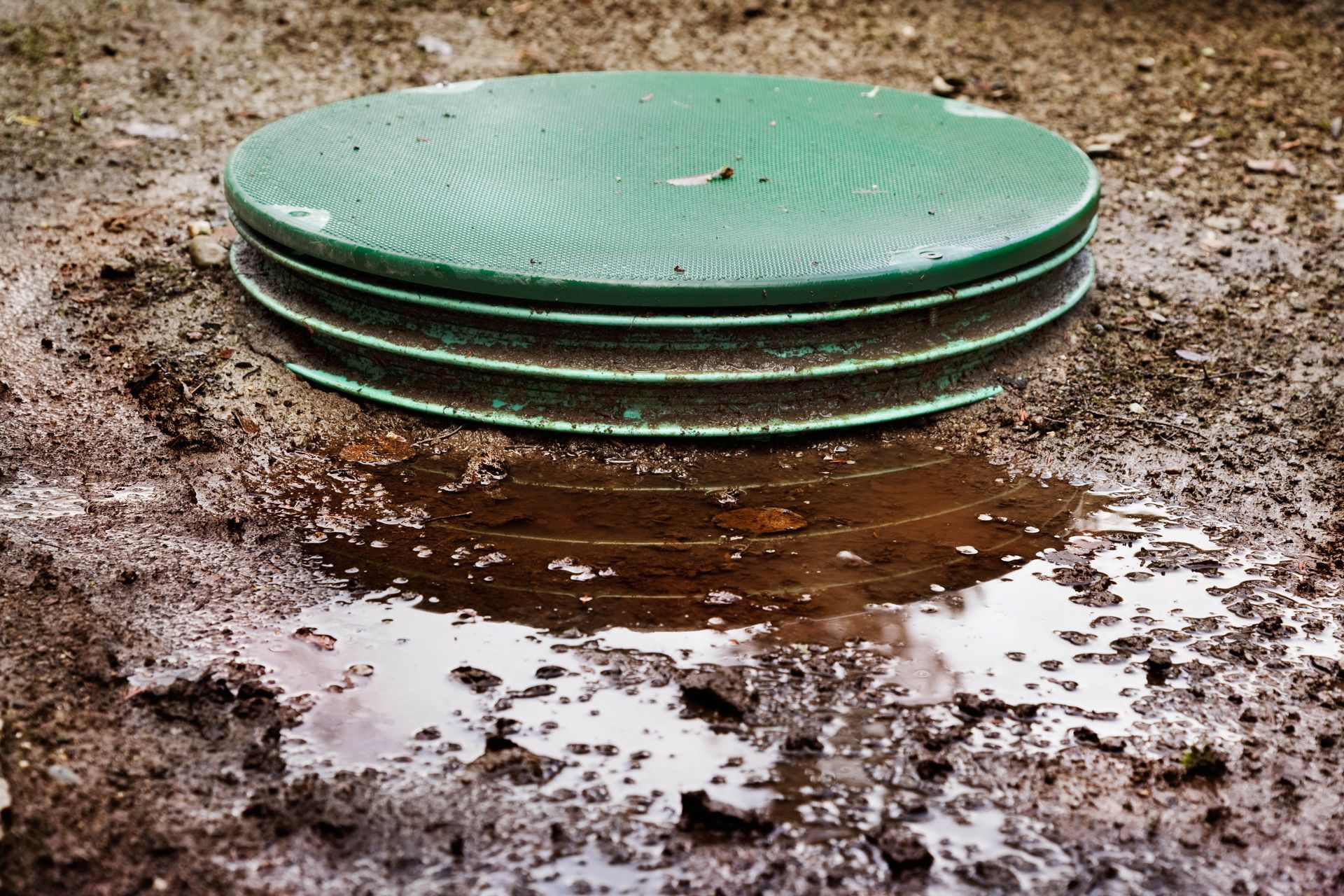
If a pipe bursts, shut off the main water supply first, then call. Everything else can wait until the water has stopped. Sewer line problems announce themselves differently, through slow drainage across multiple fixtures, unpleasant smells, or an area of the yard that stays soggy without explanation.
Camera inspection identifies cracks, blockages, and root intrusion precisely, so the repair is targeted rather than exploratory. Trenchless methods mean many sewer line repairs can now be carried out without excavating your yard.
Because these faults do not wait for business hours, we run a 24-hour emergency service.
Most of these problems are cheaper to fix early. Slow drains, dropping pressure, unusual noises from the water heater, and damp patches with no obvious source are all worth a call before they develop.
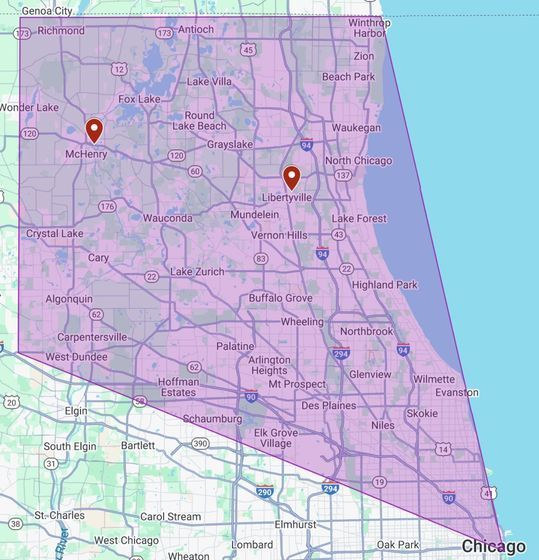
TOPTEC Heating, Cooling, Plumbing & Electrical has served Chicagoland homeowners for over 30 years. For plumbing repairs or emergency service, call (847) 362-0262 or schedule online.