A water heater will usually tell you something is wrong before it fails. The trouble is that the signs are easy to live with. Water takes a little longer to warm up, a shower runs cool at the end, the tank makes a noise you have gotten used to.
Dealing with those early is almost always cheaper than dealing with what comes next. Here is why the timing matters.
Efficiency and Your Energy Bills
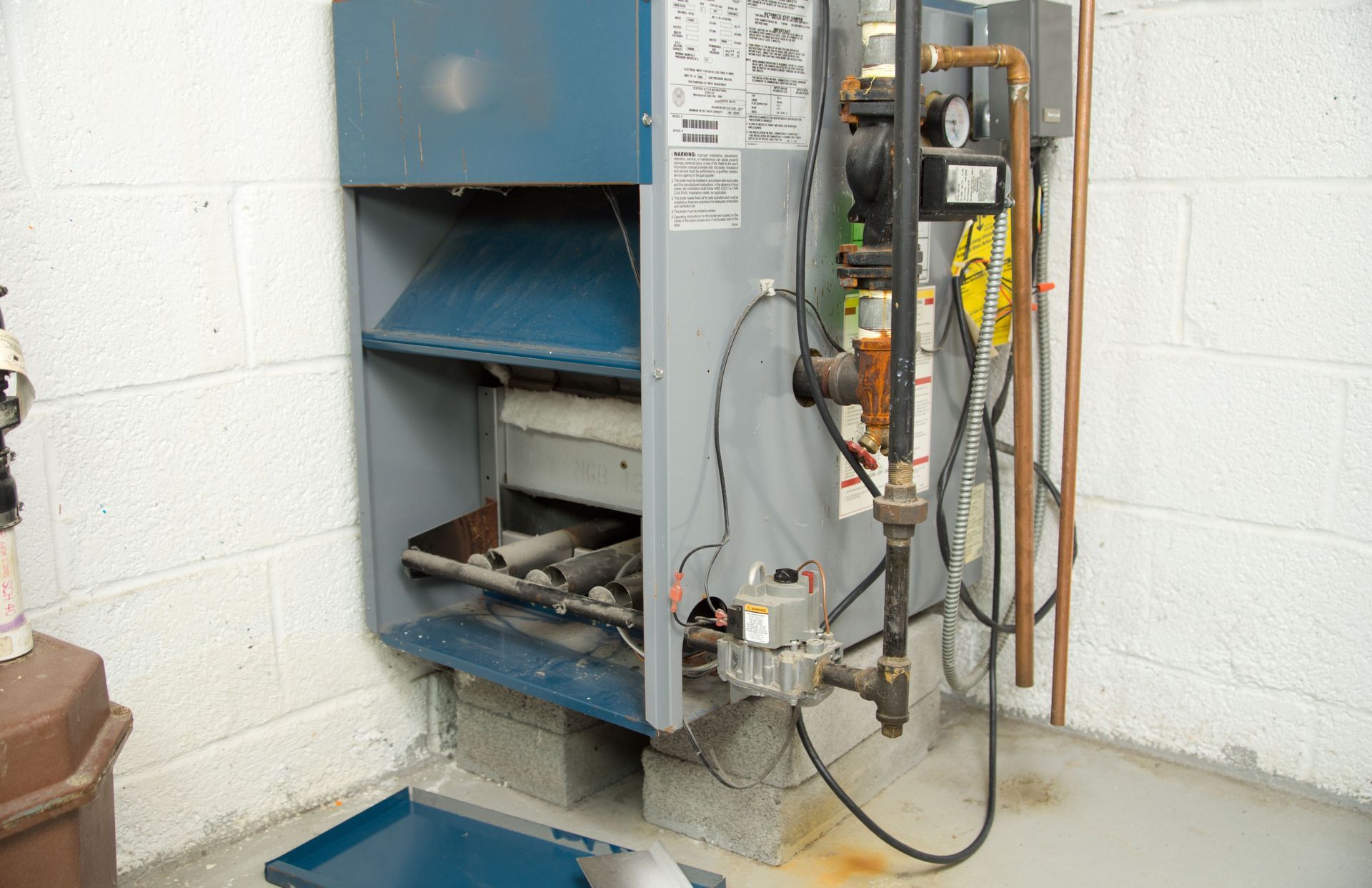
Sediment is the main reason a water heater becomes inefficient. Calcium and magnesium from the water supply settle at the bottom of the tank and form a layer between the burner or heating element and the water they are meant to be heating.
The system compensates by running longer and hotter. You get the same hot water, but you pay more for it, and the extra strain shortens the life of the components doing the work.
Flushing the tank clears that buildup. On an electric unit, a failing heating element has a similar effect: the water takes longer to heat, and the system consumes more energy doing it. Lukewarm water is often the first sign, and it is worth acting on rather than adjusting to.
Small inefficiencies compound quietly. Left alone, they turn into a component failure, which costs considerably more than the repair that would have prevented it.
The Life of the Unit
Every water heater wears. Tanks corrode, hard water leaves scale, elements degrade, and anode rods are consumed. That is normal. What matters is whether anything is done about it before the wear turns into a failure.
The anode rod is the clearest example. It is an inexpensive component designed to corrode so that the tank does not. Replacing it when it is depleted protects the tank and can add years to the life of the unit. Ignore it and the tank starts rusting from the inside out, at which point nothing can be repaired.
Routine inspection is what makes this possible. A technician checking for leaks, element wear, and sediment buildup can tell you what needs doing now and what can wait, so you can plan the work rather than react to a breakdown.
Safety
Water heaters combine heat, water, pressure, and either a gas supply or a substantial electrical connection. That is why a fault here matters more than a fault in most household appliances.
A leak can cause water damage and, depending on where the unit sits, can reach electrical connections nearby. A thermostat that is out of calibration can allow water to reach scalding temperatures at the tap. The temperature and pressure relief valve is a genuine safety device, and it needs to be tested rather than assumed to be working.
None of this is a reason for alarm. It is a reason to have the system looked at by someone licensed to work on it, rather than leaving a known fault to develop.
Why This Is Not a DIY Job
Some water heater problems look simple. Draining a tank or resetting a tripped element seems straightforward enough.
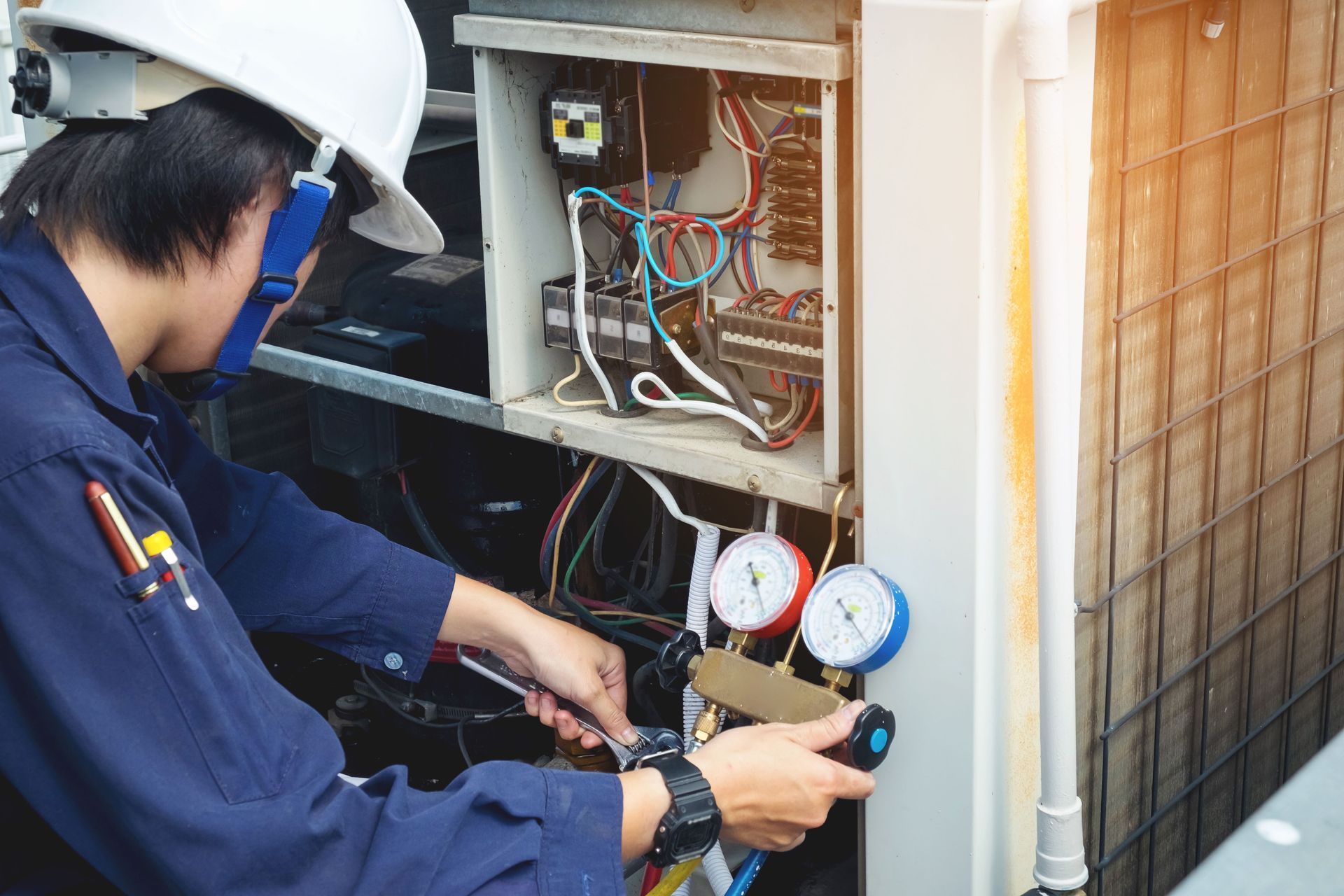
The difficulty is that water heaters sit across plumbing, gas, and electrical work at once, and a repair that is done incorrectly can create a problem considerably worse than the one you started with. A licensed technician has the training to diagnose the actual fault, the tools to test it properly, and the responsibility to leave the system compliant with Illinois code.
There is also a practical argument. An experienced technician will often identify a second developing issue while dealing with the first, which saves you a service call later.
Unusual noises, inconsistent temperatures, discolored water, or a longer wait for hot water are all worth a phone call. None of them improve on their own.
TOPTEC Heating, Cooling, Plumbing & Electrical has served Chicagoland homeowners for over 30 years, with 24-hour emergency service. To book a water heater repair, call (847) 362-0262 or schedule online.