September 17, 2026
The decision to repair or replace a home heating system is a major financial and practical consideration for any property owner. Every home heating setup directly impacts daily living comfort, ongoing energy costs, and overall long-term property value. Navigating whether to invest in furnace repair or move forward with a full equipment installation requires carefully evaluating multiple technical, operational, and financial factors. Understanding how your equipment functions and recognizing when performance drops can help you make a well-informed decision that balances immediate costs with long-term heating performance.
As modern heating technology continues to advance rapidly, determining the best course of action becomes increasingly nuanced for families. Homeowners often find themselves weighing frequent service calls against the upfront cost of purchasing modern high-efficiency equipment for their properties. Evaluating the overall physical condition of your equipment, operational demands, and home safety considerations ensures that your household stays warm and secure throughout the coldest winter months. This comprehensive guide outlines key factors to consider when choosing between maintaining your existing unit and purchasing a brand-new replacement.
Evaluating System Lifespan and Efficiency
Heating equipment naturally experiences continuous mechanical wear over time, leading to gradual reductions in operational efficiency and increased monthly fuel consumption. Standard gas and electric units are engineered to deliver reliable performance for many years when properly maintained, but aging components will inevitably lose heating effectiveness over prolonged use. Recognizing early signs of mechanical degradation allows homeowners to plan for future equipment upgrades rather than dealing with unexpected heating failures during severe winter storms.
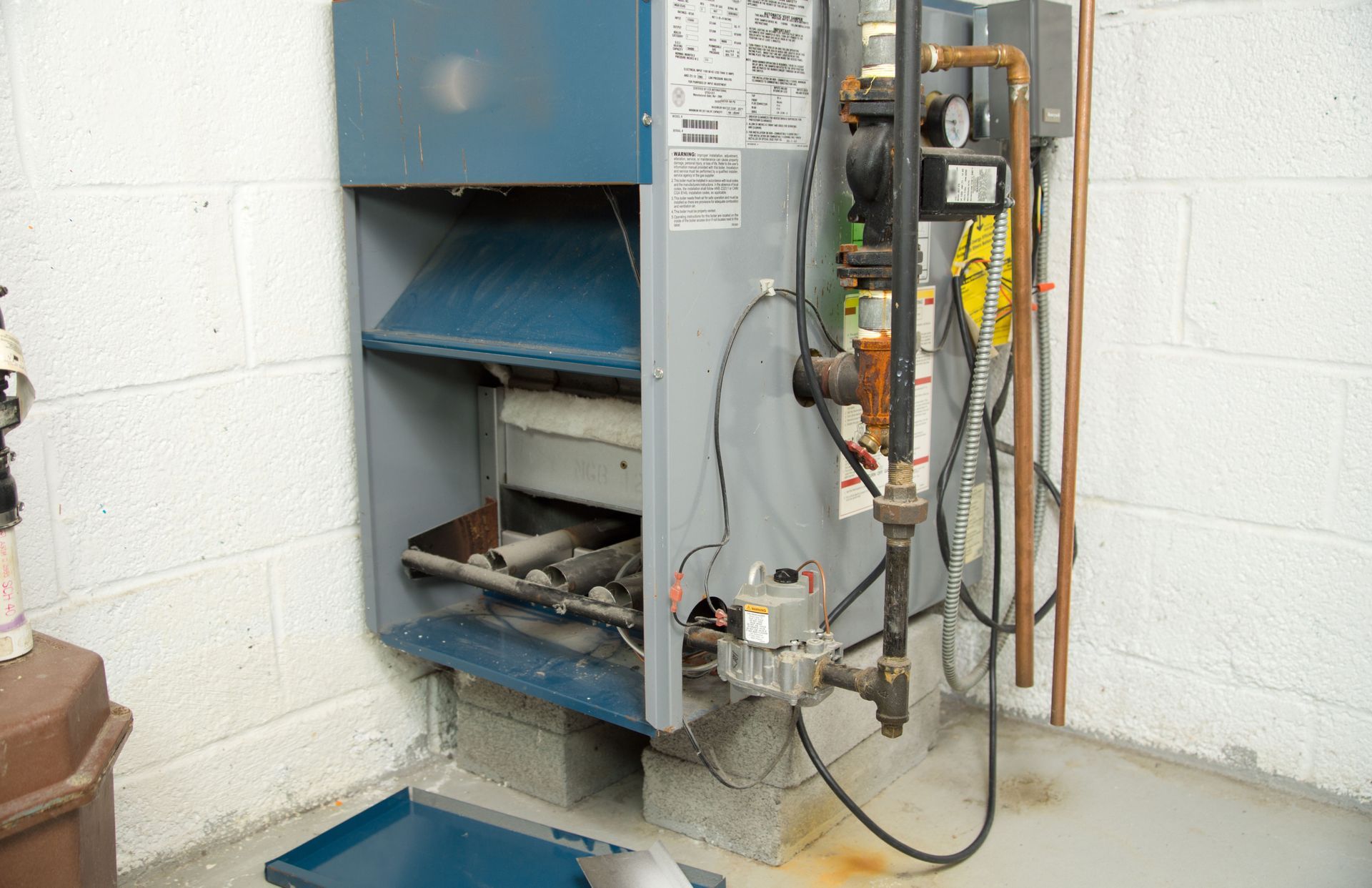
Recognizable signs of an aging unit include mounting utility expenses, inconsistent heating output across different rooms, and continuous system cycling throughout the day. Strange mechanical noises such as loud banging, persistent rattling, or high-pitched squealing often indicate internal component failure or severe mechanical strain within the cabinet. The presence of excess dust, soot, or rust around the unit further points toward declining system efficiency and signals that the heating equipment is approaching the end of its functional life.
Different equipment designs exhibit varying lifespans based on fuel sources, initial installation quality, and routine operational demands in the home. Systems subjected to heavy seasonal usage without regular professional maintenance experience accelerated physical wear, necessitating earlier replacement decisions. Understanding your specific heating setup helps predict when standard upkeep will no longer suffice to keep the equipment running safely, efficiently, and dependably through the coldest months.
Comparing Overall Costs and Values
Deciding between routine maintenance and total equipment replacement requires comparing immediate out-of-pocket expenses against long-term financial returns. Minor adjustments and minor part replacements are generally affordable, but major component overhauls can quickly become financially impractical for property owners over time. Evaluating current service expenses against the total price of a complete equipment replacement provides essential clarity when managing your household heating budget and financial planning.
According to HomeGuide, replacing electric furnace heating elements—also referred to as resistance coils—depends on brand and size, with most electric units containing two to five coils while non-electric models use none. Factoring in these specific component replacement costs helps homeowners assess whether fixing an existing unit remains practical compared to investing in an updated, high-efficiency system designed for optimal performance.
Modern heating equipment offers advanced energy efficiency that can significantly reduce monthly utility expenses over time for active households. These operational savings accumulate month after month, helping offset the initial investment required for a brand-new heating installation in your residence. Reviewing warranty coverage, prospective energy savings, and potential enhancements to home resale value makes a full equipment replacement an appealing long-term financial decision for homeowners.
Assessing Specific Heating System Issues
Common heating problems range from ignition system malfunctions and clogged filters to failing blower motors and restricted air distribution pathways. When pilot lights, electronic igniters, or circuit control boards fail, the equipment loses its ability to warm your home reliably during freezing weather. Identifying these mechanical issues promptly prevents minor operational bugs from evolving into comprehensive heating system failures that endanger household comfort.
Scheduling timely furnace repair addresses localized component failures before they cause widespread damage across the entire unit. Qualified HVAC technicians test electrical connections, evaluate airflow, clean critical burners, and verify safety controls to pinpoint exact operational issues. Professional service restores home warmth quickly while preserving mechanical integrity and keeping your household safe throughout cold weather conditions.
There is a clear point, however, where relying on furnace repair becomes a temporary band-aid rather than a sound financial investment. Aging systems that suffer recurring breakdowns provide diminishing financial returns as service bills pile up year after year. If your equipment demands frequent repair visits during a single season, replacing the system is usually the most economical path forward for long-term peace of mind.
Planning Equipment Replacement Options
Choosing a replacement heating system requires a detailed evaluation of home square footage, thermal insulation quality, and local climatic conditions. Selecting proper equipment dimensions ensures consistent heat distribution without wasting energy or causing unnecessary strain on internal mechanisms. Heating professionals assess your home layout to recommend equipment options that meet your exact indoor comfort demands throughout the changing seasons.
Modern replacement units feature advanced technology, including variable-speed blowers and smart thermostat integration for precise temperature management. These innovations allow heating systems to adjust airflow based on real-time household needs, significantly cutting down on energy waste. Selecting high-efficiency designs ensures reliable indoor comfort while keeping environmental impact and operational costs low for your household.
Quality installation is essential for maximizing the operational lifespan and performance of your new heating equipment in any home. Professional furnace repair examines ductwork design, ventilation pathways, and electrical connections to ensure flawless system integration. Relying on certified technicians protects your manufacturer warranty, guarantees operational safety, and ensures peak heating efficiency from the very first day of operation.
Maintaining Peak System Performance
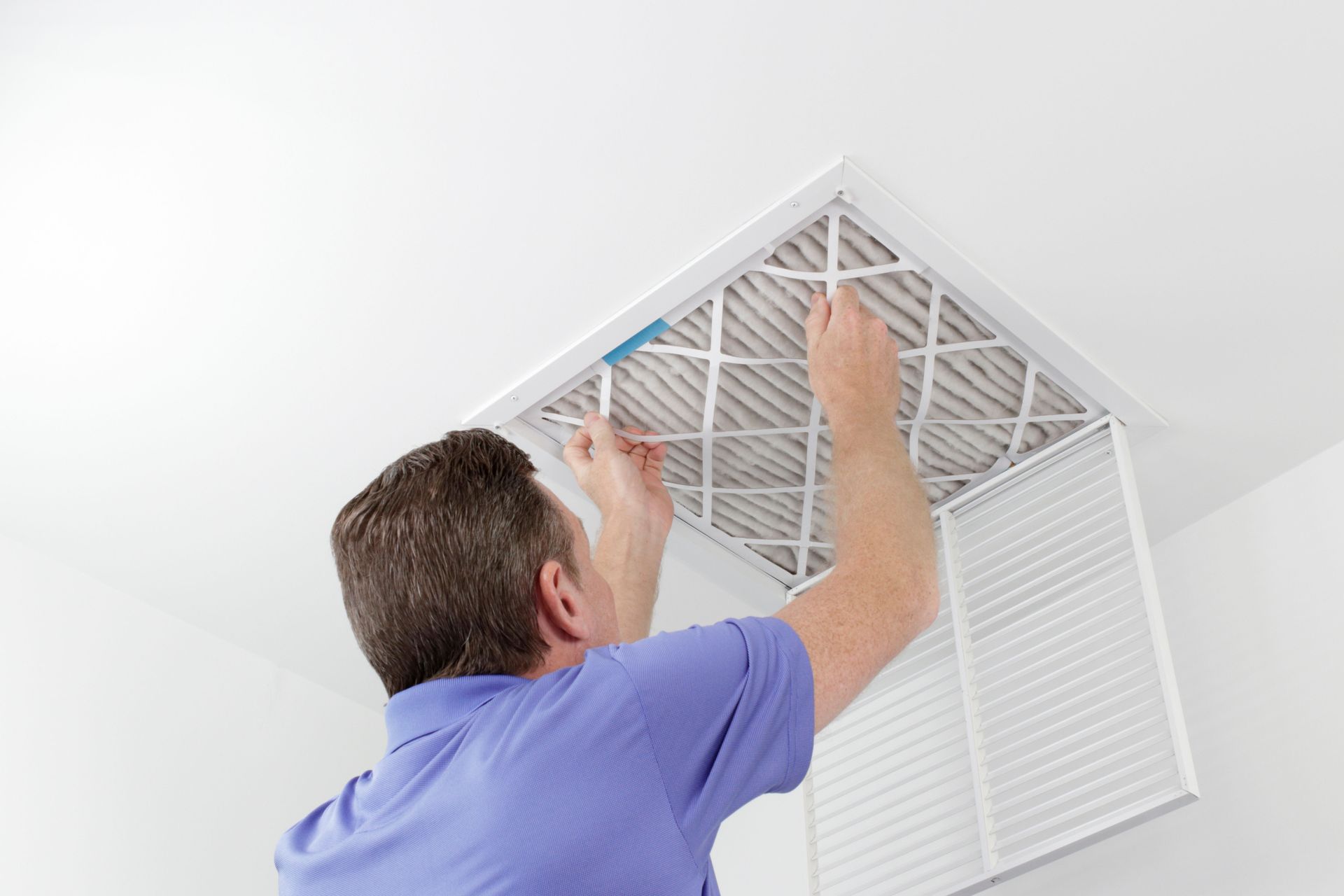
Establishing a structured preventative maintenance plan protects your heating equipment and maintains consistent operational efficiency over time. Simple household tasks, such as regularly replacing air filters and keeping air vents unobstructed, help prevent airflow restriction within the system. Integrating these simple tasks alongside professional furnace repair helps prevent unexpected equipment breakdowns and keeps monthly energy costs manageable for your family.
Professional annual tune-ups complement home care by providing deep cleaning and technical assessments that homeowners cannot perform themselves. HVAC technicians inspect heat exchangers, lubricate moving parts, test electrical controls, and fine-tune burners for safe performance. Regular professional care extends equipment longevity, improves indoor air quality, and prevents small operational issues from becoming costly emergencies down the road.
Combining routine care with timely furnace repair safeguards your home heating investment for years to come. Keeping detailed service records helps monitor equipment health and track component performance over time across all winter seasons. Taking a proactive approach to equipment care guarantees dependable warmth, lower energy bills, and complete peace of mind throughout the winter season.
Deciding whether to repair or replace your home heating equipment requires balancing system age, efficiency goals, repair history, and overall household budget. While minor operational issues can be resolved with standard maintenance, older units that break down regularly often cost more to keep running than to replace. Evaluating your long-term energy needs helps you make a choice that optimizes both home comfort and financial savings for your family.
When you require reliable guidance or expert furnace repair, our dedicated team is here to deliver high-quality solutions tailored to your home. Contact us at TopTec Heating, Cooling, Plumbing & Electrical today so we can keep your heating system running safely and efficiently all winter long.