October 16, 2026
Maintaining a comfortable and safe indoor environment during frigid winter months relies heavily on the dependable performance of your residential heating system. When a furnace begins to produce unusual rattling noises, emit strange odors, or fail to produce warm airflow, homeowners often experience immediate concern regarding severe weather safety and unexpected repair expenses. Promptly addressing furnace malfunctions prevents minor component wear from escalating into complete heating failure during severe sub-zero weather events.
However, navigating heating system repairs requires a clear understanding of basic mechanical operations, safety protocols, diagnostic procedures, and professional maintenance standards.
Understanding how to approach heating restoration empowers homeowners to identify warning signs early and make informed maintenance decisions. Effective system restoration encompasses systematically evaluating thermostat signals, inspecting air filtration components, verifying electrical connections, and ensuring proper fuel supply line stability. Furthermore, working with certified trade technicians guarantees that complex electrical diagnostics, ignition calibrations, and heat exchanger evaluations are performed safely and in strict accordance with manufacturer specifications. Exploring essential restoration practices reveals how proactive care, diagnostic troubleshooting, and expert technical service work together to maintain consistent indoor warmth and protect your long-term mechanical investment.
Identifying Early Warning Signs and System Performance Indicators
Identifying early indicators of heating system degradation serves as the primary defense against sudden winter breakdowns. Modern heating units typically communicate mechanical distress through subtle operational changes before failing completely. Homeowners should monitor for erratic cycling behavior, uneven temperature distribution across living areas, cold airflow from supply vents, and sudden increases in monthly energy expenses.
Additionally, paying close attention to unfamiliar auditory or olfactory signals provides crucial diagnostic clues. Squealing noises often indicate loose blower fan belts, while loud banging sounds during ignition suggest dirty burner assemblies or delayed gas ignition. Promptly recognizing these warning signals allows property owners to schedule diagnostic evaluations before critical internal components suffer permanent damage, avoiding emergency service interruptions during peak winter usage.
Verifying Thermostat Settings and Electrical Control Systems
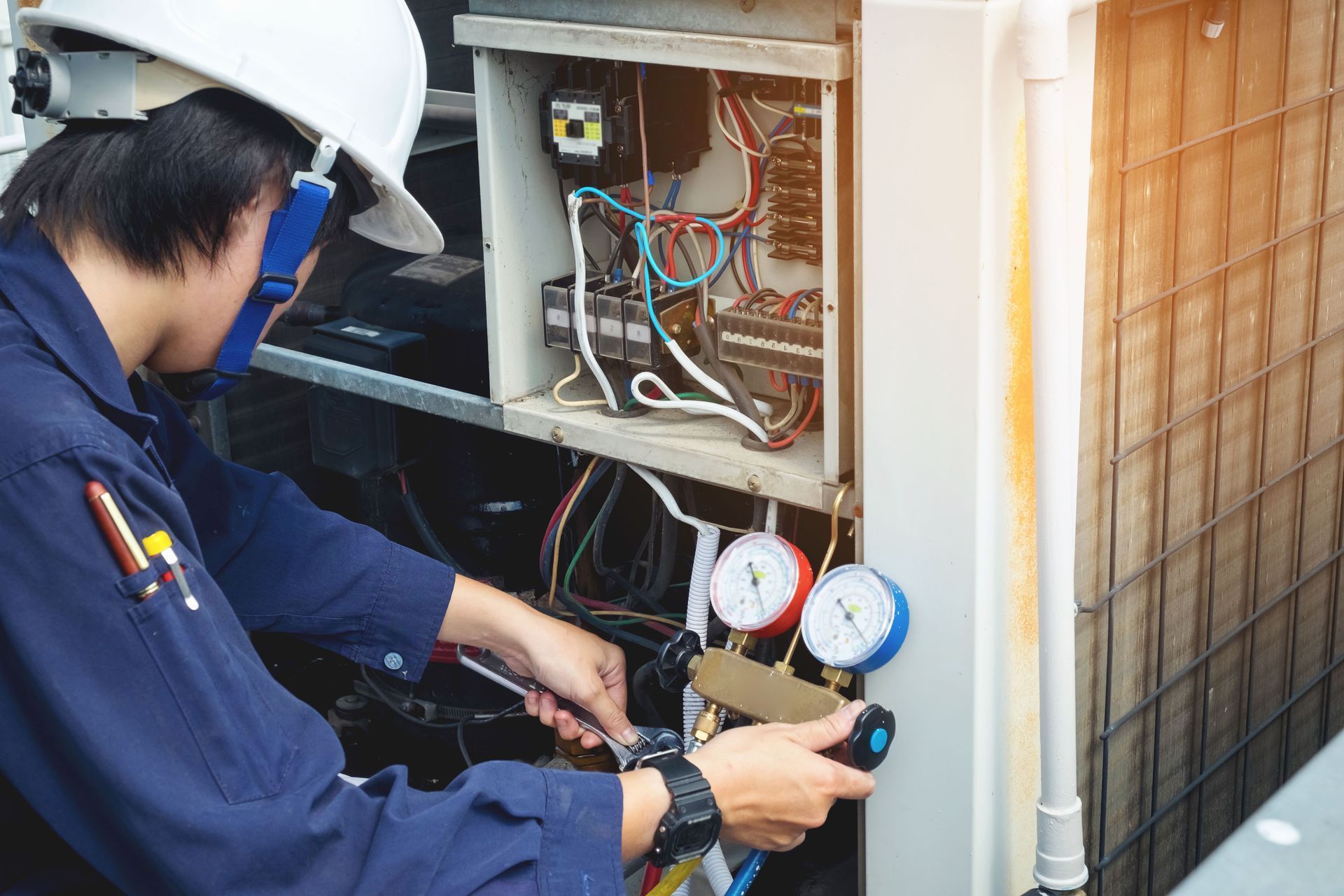
Verifying thermostat functionality and inspecting electrical control circuits forms a fundamental first step in troubleshooting heating performance issues. In many instances, perceived mechanical furnace failures stem from simple control center misconfigurations, dead batteries, or loose wire connections within digital thermostats. Ensuring that thermostats are set firmly to heating mode with target temperatures set above current ambient room readings often resolves basic operational issues.
Beyond wall control units, homeowners should inspect main electrical panels to confirm that dedicated heating circuit breakers have not tripped. Modern high-efficiency furnaces rely on intricate electronic circuit boards, transformer coils, and safety limit switches that require consistent voltage supply. Ensuring proper electrical current delivery eliminates external power variables before technical specialists disassemble internal mechanical components.
Inspecting Air Filtration and Airflow Distribution Networks
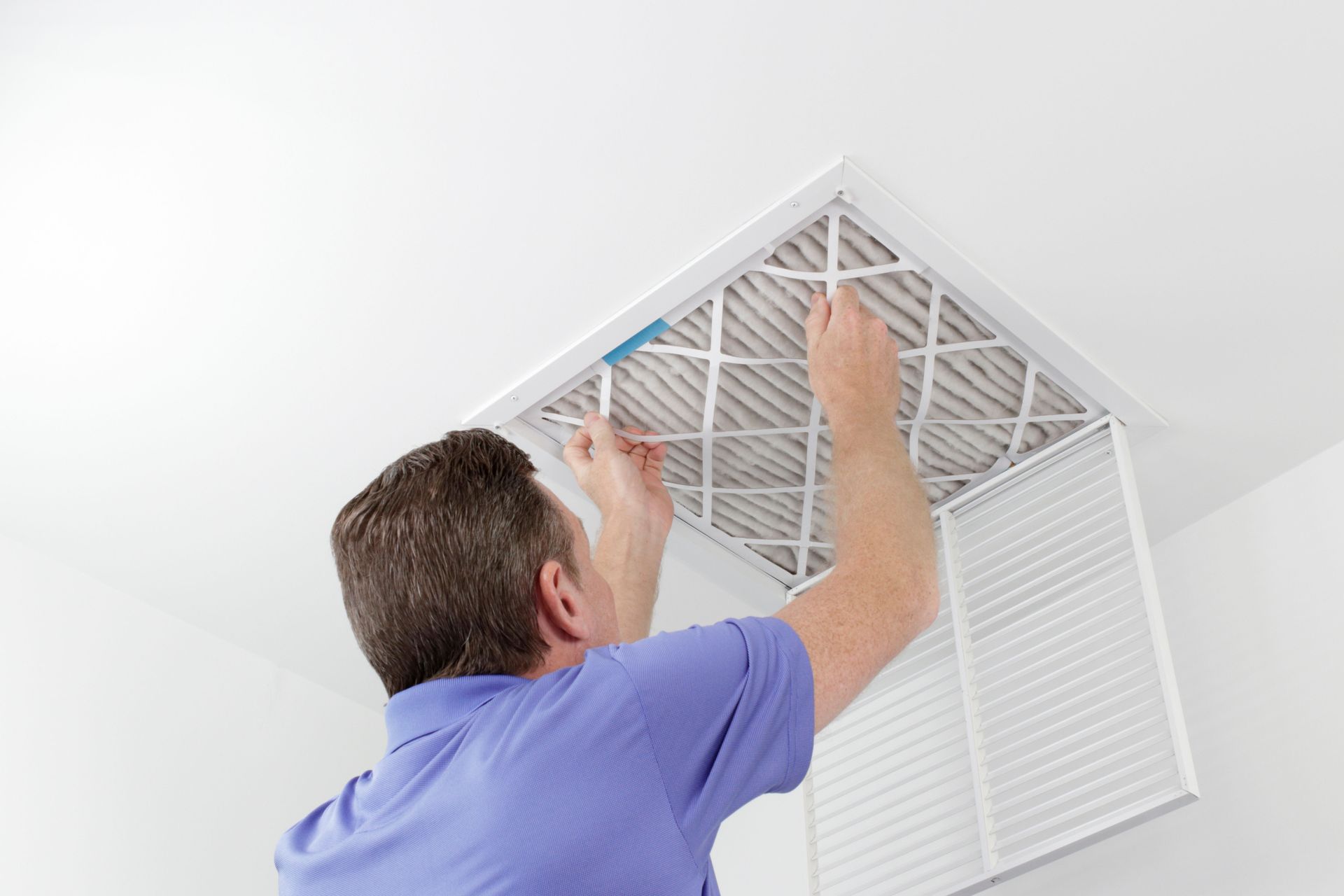
Inspecting return air filters and cleaning distribution ductwork represents one of the most effective ways to restore proper heating performance. Clogged, dust-laden air filters severely restrict intake airflow, forcing internal blower motors to work harder while causing heat exchangers to overheat rapidly. When internal temperatures exceed safe operating parameters, limit switches automatically shut down furnace burners to prevent severe structural damage.
Replacing dirty air filters regularly restores proper airflow velocity, balances static pressure within duct networks, and improves overall indoor air quality. Furthermore, ensuring that floor registers and wall supply vents remain unblocked by furniture, heavy drapery, or rugs prevents static pressure buildup. Maintaining unrestricted airflow throughout distribution networks protects vital heating elements from heat stress and optimizes total fuel consumption.
Cleaning Ignition Assemblies and Flame Sensor Probes
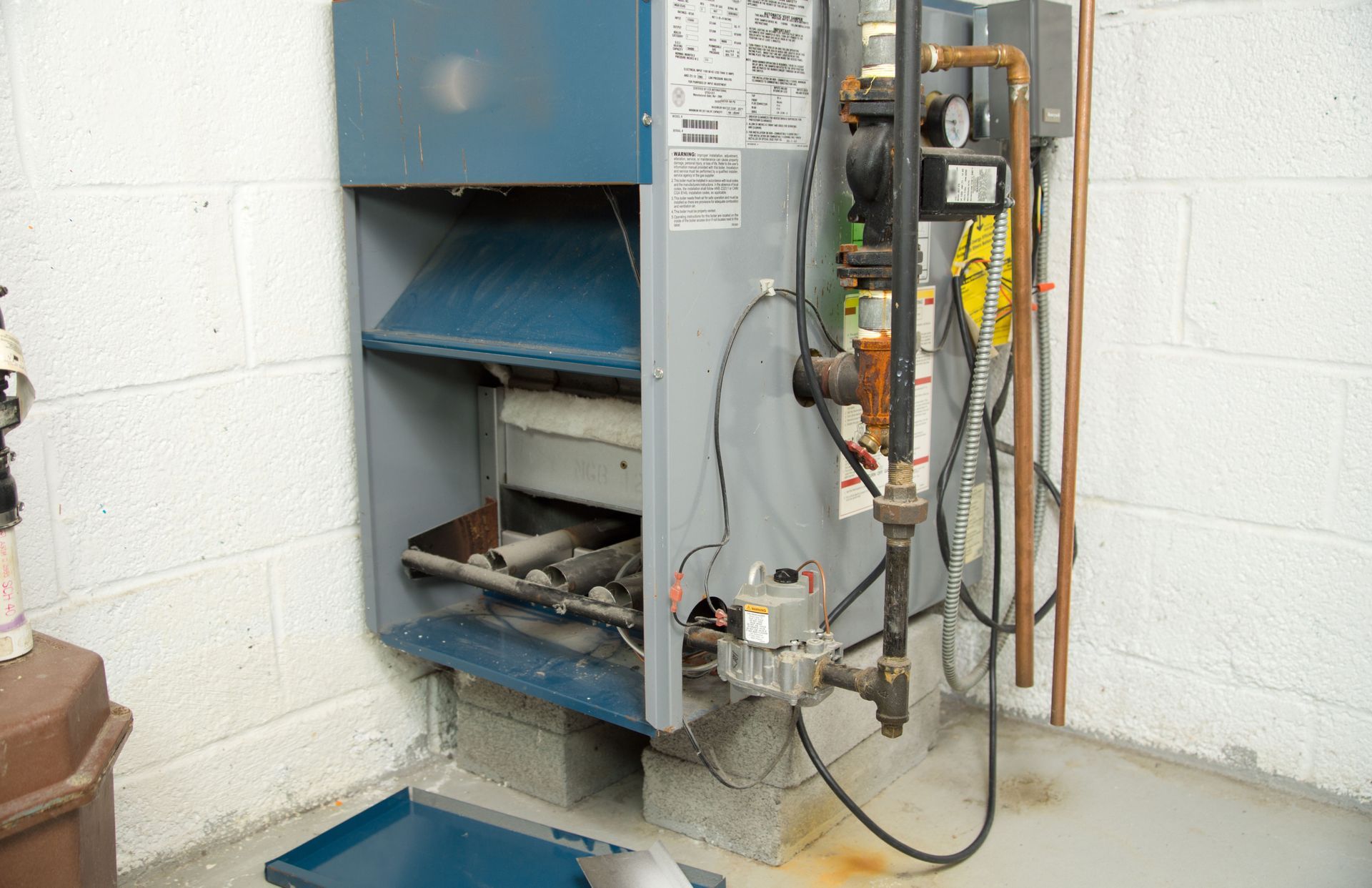
Cleaning dirty ignition assemblies and removing oxidation from flame sensor probes resolves common system startup failures. Modern electronic ignition furnaces utilize delicate silicon carbide igniters or direct spark mechanisms alongside flame sensors to verify active combustion. Over time, carbon buildup, dust accumulation, and atmospheric oxidation form insulating layers over sensor probes, preventing them from detecting active burner flames.
When flame sensors fail to signal active combustion within seconds, safety controls automatically shut off gas valves to prevent unburned fuel accumulation inside combustion chambers. Delicately cleaning sensor probes with fine abrasive pads removes insulating carbon deposits and restores proper electrical conductivity. Servicing ignition hardware ensures swift, reliable burner activation every time thermostat control boards request heat.
Evaluating Flame Characteristics and Combustion Integrity
Evaluating burner flame patterns and inspecting heat exchanger structures safeguards household occupants against hazardous gas leaks and carbon monoxide exposure. Healthy gas burner flames display a clear, steady, vibrant blue cone, indicating complete, efficient fuel combustion. Conversely, flickering yellow or orange flames suggest improper air-to-fuel ratios, dirty burner orifices, or incomplete combustion that can generate harmful byproducts.
Furthermore, inspecting metal heat exchanger surfaces for microscopic hairline cracks, severe rust corrosion, or soot accumulation is critical for home safety. Cracked heat exchangers allow toxic combustion gases to mix directly with circulating household air. Professional technicians utilize specialized optical cameras and electronic gas detectors to verify structural integrity, ensuring that heating systems operate with maximum thermal efficiency and total environmental safety.
Partnering With Local Service Professionals for Emergency Care
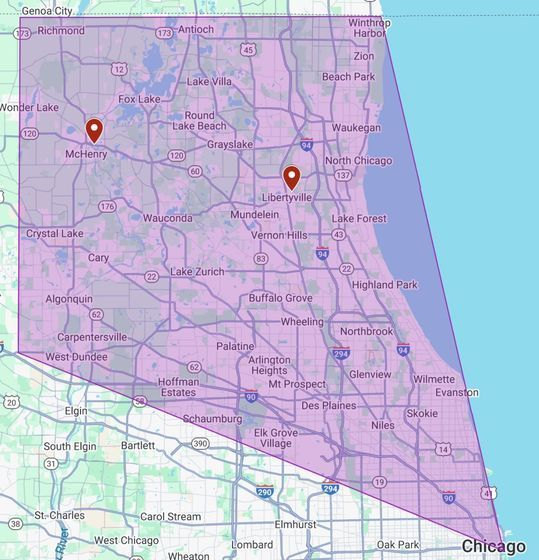
Partnering with established local service providers guarantees rapid response times and dependable master craftsmanship when severe heating emergencies occur. While basic troubleshooting like filter replacements can be handled by property owners, complex mechanical repairs demand specialized diagnostic tools, local building code knowledge, and certified technical training. Community-based contractors prioritize localized customer service and maintain comprehensive inventories of replacement parts for quick repairs.
Homeowners consistently value personalized local care when facing urgent home system disruptions. According to Houzz, 62% of people prefer using local plumbers rather than national chains for emergency plumbing issues. Applying this same preference to heating, electrical, and mechanical repairs ensures that property owners receive prompt attention, transparent pricing, and master-level technical care from dedicated specialists who understand regional climate demands.
Maintaining a reliable, energy-efficient residential heating system requires consistent attention, early symptom recognition, and timely professional maintenance. By monitoring operational warning signs, maintaining clean air filtration, verifying electrical controls, and servicing delicate ignition components, homeowners can prevent unexpected winter breakdowns and extend equipment operating lifespans.
Prioritizing routine diagnostic inspections preserves fuel efficiency, lowers monthly utility expenses, and ensures that indoor living spaces remain warm and safe throughout extreme weather conditions. When complex mechanical issues arise, relying on certified local service specialists provides total peace of mind through master craftsmanship, transparent communication, and comprehensive safety evaluations. Taking a proactive approach to heating system care protects your financial investment and keeps your home comfortable season after season.
At TOPTEC Heating, Cooling, Plumbing & Electrical, we are deeply committed to ensuring your home’s winter comfort, optimizing mechanical efficiency, and delivering superior indoor climate solutions through master craftsmanship, advanced diagnostic technology, and dedicated customer care. Our team of certified service specialists brings extensive technical expertise, state-of-the-art testing equipment, and meticulous attention to detail to every furnace repair, heat pump installation, air conditioning tune-up, plumbing restoration, and electrical maintenance project we execute across our community. We take immense pride in evaluating your unique heating equipment, analyzing airflow dynamics, inspecting combustion safety, and executing precise mechanical repairs that bring total warmth, quiet operation, and lower utility bills to your living space. Furthermore, our company prioritizes clear communication, transparent project estimates, clean jobsite management, and exceptional service performance from initial diagnostic inspection through final system testing. We carefully examine every electrical connection, gas valve alignment, flame sensor probe, and heat exchanger surface to guarantee maximum operational safety, energy efficiency, and complete homeowner satisfaction. Contact us today to schedule your comprehensive heating consultation and discover the true value of working with dedicated local home service specialists.