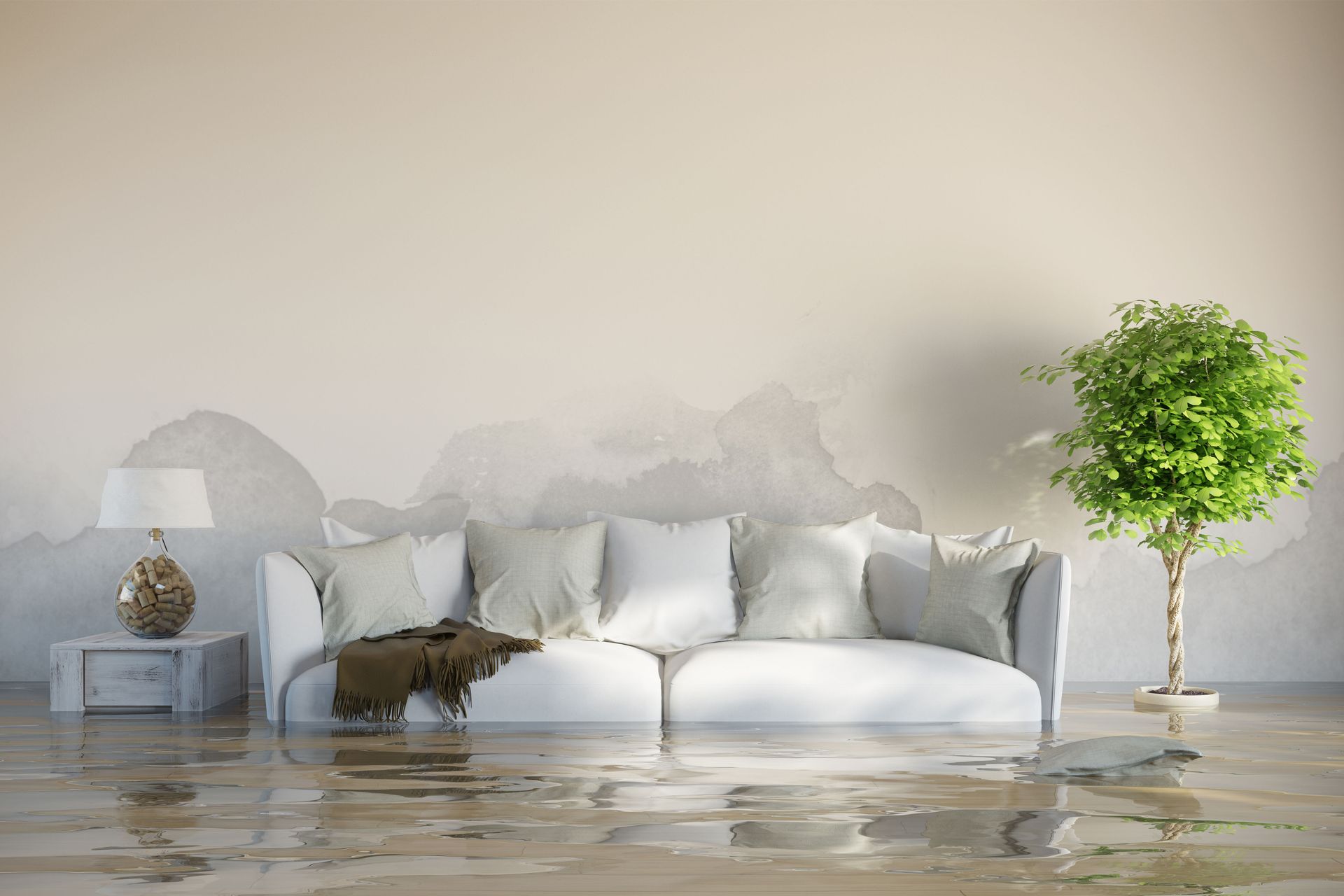
Water damage is one of the more expensive things that can happen to a house, and most of it is preventable. It rarely arrives as a dramatic burst pipe. More often, it is a slow leak behind a wall that nobody notices for months, by which point the timber is soft and the mold has taken hold.
The good news is that almost every cause has a warning sign, and most of them can be caught during a routine inspection.
Where the Risk Comes From
Burst pipes, failing appliance connections, and heavy rainfall are the obvious causes. The less obvious one is age. Plumbing installed decades ago in older Chicagoland properties develops cracks and weak joints, and it tends to fail at the connections first.
Our winters add a specific risk. Water expands as it freezes, and a pipe in an unheated crawlspace, garage, or exterior wall can split without any warning at all. The damage usually appears when it thaws.
What to Look For
Water stains on ceilings or walls, paint that has started to peel, and flooring that has warped or lifted are the visible signs. Any of them means water has been present for a while.
The less obvious ones matter more, because they appear earlier. A musty smell with no clear source, a water bill that has crept up without any change in usage, and patches of damp that seem to come and go are all worth investigating. So is any mold growth, which needs moisture to survive and tells you where to start looking.
Why It Gets Expensive So Quickly
Water does not stay where it starts. It moves along joists, soaks into drywall, and collects in places you cannot see, which is why a small leak can affect a large area before anyone notices.
The structural consequences build slowly. Prolonged exposure causes wood rot, which weakens framing over time. Persistent moisture damages building materials and creates conditions for mold that then affects the air in the house.
There is an electrical risk too. Water reaching wiring or a panel creates a genuine hazard, which is one reason a leak near electrical systems should never be left over a weekend.
The financial impact is not just the repair. Structural work and mold remediation cost considerably more than the plumbing fault that caused them, and a claim can affect your premiums for years afterwards.
What an Inspection Actually Catches
A scheduled plumbing inspection is the most effective preventive measure available, and it is inexpensive relative to what it prevents.
A plumber will check pipe condition for corrosion and wear, look at the joints and connections that tend to fail first, test water pressure, and inspect fixtures for early signs of leaking. On older properties, they will also flag materials that no longer meet current standards.
The equipment is what makes the difference. Video inspection cameras, moisture meters, and thermal imaging find water behind walls and under floors that would otherwise stay hidden until it caused visible damage. Finding a leak at that stage usually means a straightforward repair rather than replacing a section of floor.
Preventive Work Worth Considering
Beyond inspection, a few things genuinely reduce the risk.
Hard water is common across Chicagoland, and the scale it leaves narrows pipes and shortens the life of appliances. A water softener addresses the cause rather than the symptoms.
Backflow prevention devices stop contaminated water from flowing back into your clean supply. They need testing periodically to confirm they still work, which is easy to forget once they are installed.
Older fixtures and valves are a common leak point, and modern replacements are more reliable as well as more water-efficient. Insulating pipes in unheated spaces is a small job that prevents the freeze damage described earlier.
Most water damage traces back to something that could have been found earlier. A musty smell, a rising water bill, a damp patch that comes and goes, or an ageing plumbing system that has never been assessed are all reasons to have someone take a look.
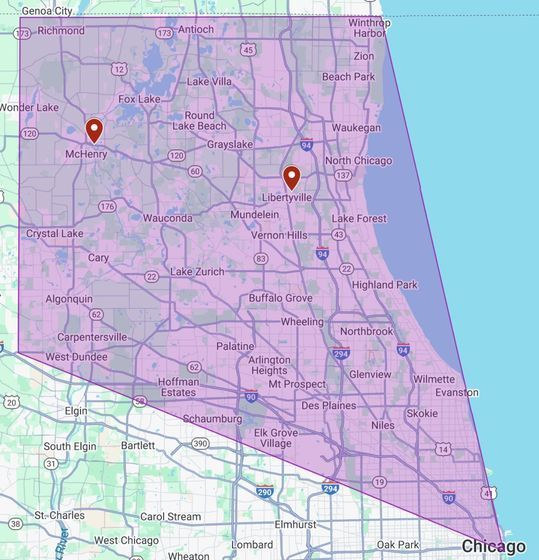
TOPTEC Heating, Cooling, Plumbing & Electrical has served the Chicagoland area for over 30 years, with 24-hour emergency service. To arrange a plumbing inspection, call (847) 362-0262 or schedule online.