May 26, 2026
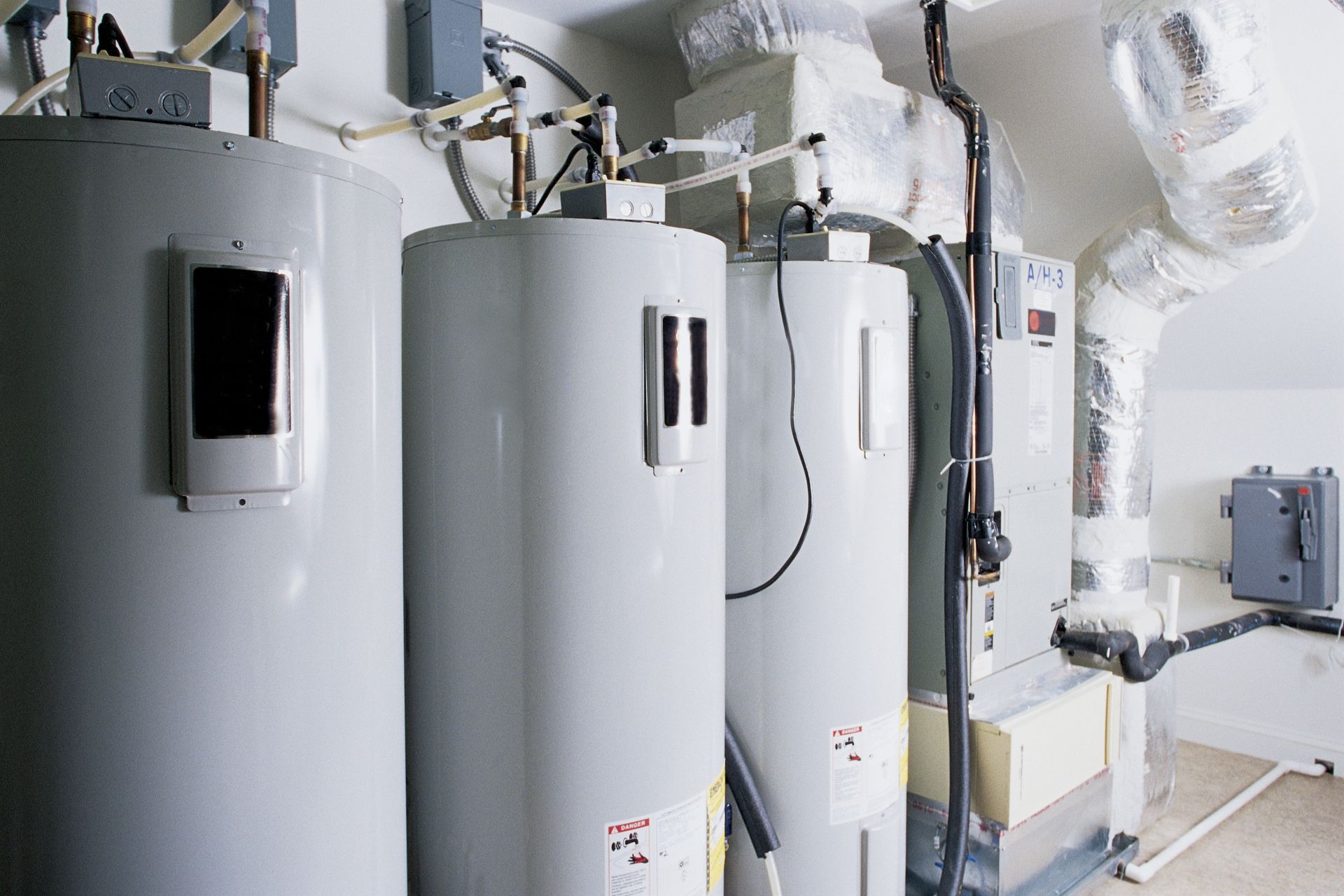
Every homeowner faces this decision eventually. The water heater starts playing up, and you have to work out whether to fix it or replace it, usually at short notice and without much information to go on.
There is no single right answer. It depends on the age of the unit, what has failed, and how often you have called someone out before. Here is how we work through it.
Start With the Age of the Unit
Check the manufacturer's date on the serial number label. Most conventional tank units are built to run reliably for eight to twelve years.
Inside that window, repair is usually the sensible route. Components wear out; they get replaced, and the tank carries on. Past ten years, the calculation shifts. Mineral deposits and years of thermal stress take a toll on the internal parts, and failures start to become systemic rather than isolated. The risk of a significant leak also rises noticeably once a tank passes that mark.
Age on its own does not condemn a unit. A well-maintained twelve-year-old tank with one failed part is often worth repairing. But it does change what you are weighing up.
When Repair Is the Right Call
Plenty of water heater faults are worth fixing, and it is worth being clear about that.
If the unit is still under warranty, repair almost always makes sense. The same applies to a single isolated fault on a tank under about eight years old, such as a failed thermostat, a pilot light problem, or a faulty heating element. These are straightforward jobs that can add years to the life of a well-maintained unit.
An anode rod replacement is another good example. It is an inexpensive part designed to corrode so the tank does not, and replacing it on schedule is one of the most effective ways to extend the life of a water heater. Flushing accumulated sediment falls into the same category.
If the tank itself is sound and the fault is a component, repair is usually the better value.
Count How Often You Have Called
One breakdown does not mean the unit is finished. But a pattern is different.
When small faults start happening several times a year, the cumulative cost of those visits begins to rival the price of a new unit, and you are paying repeatedly for a system that will still need replacing. Frequent service calls usually mean the internal components are failing in sequence rather than individually.
Look at your own service history. If the gaps between repairs are getting shorter, that is the clearest signal you will get.
Check for Corrosion
This is the one fault that settles the question on its own.
Rust colored water from your hot taps may mean the tank lining is deteriorating, though it can also come from the pipework, which is why the distinction matters and why it is worth having someone determine which. A corroded tank cannot be patched. Once the integrity of the metal is gone, replacement is the only option.
Check the outside too. Moisture around the base, or pitting on the metal surface, can indicate a pinhole leak, and those rarely stay small. A tank failure releases a considerable volume of water quickly, which is why we would rather replace a corroding unit on your schedule than yours fail on its own.
Listen to the Tank
A healthy water heater is quiet, apart from a faint hum or the burner igniting.
Loud popping, banging, or rumbling means sediment has built up in the bottom of the tank. Water trapped under that layer boils, and the bubbles force their way through, which is what you are hearing. Flushing the tank often resolves it.
Where flushing does not work is when the sediment has hardened into scale coating the heating elements. At that point, the sediment is also stressing the tank lining every time the unit cycles. Noise is often the last warning before something more serious goes wrong, so it is worth having someone listen to it rather than getting used to it.
What You Gain by Replacing
If replacement is the right answer, modern units offer more than the one you are retiring.
Digital temperature control, leak detection sensors, and smart home integration are all standard on newer models now. A system that alerts your phone when it detects a leak is a meaningful upgrade from an appliance that historically gave you no warning at all.
Efficiency has also improved considerably, which shows up on your energy bills over the life of the unit.
We offer flexible financing, so the upfront cost does not force the decision, and joining the TOPTEC Home Care Club® keeps a new unit maintained so you get the full life out of it.
The honest version is that this decision depends on your specific unit, and any company giving you an answer before looking at it is guessing. A good technician will tell you when a repair is the better value, not just when a replacement is.
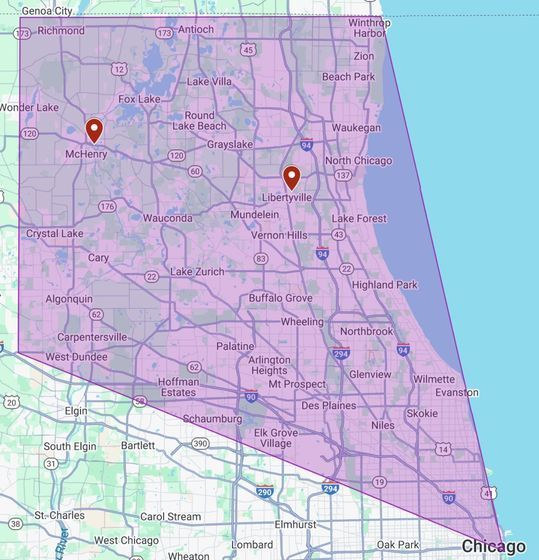
TOPTEC Heating, Cooling, Plumbing & Electrical has served Chicagoland homeowners for over 30 years, with 24-hour emergency service. To book an assessment, call (847) 362-0262 or schedule online.