May 4, 2026
Your home relies on hot water for almost everything, from the morning shower to the dishwasher running after dinner. And because the water heater sits in a basement or a utility closet where nobody looks at it, it is usually the most neglected appliance in the house.
Most people give theirs no thought at all until the water runs cold or something starts leaking. That is an expensive way to manage it. Here is what regular maintenance actually protects.
The Life of the Unit
A standard tank water heater is built to last around eight to twelve years, but where it lands in that range depends almost entirely on how it has been looked after.
Sediment is the main culprit. Calcium and magnesium from hard water settle at the bottom of the tank and form an insulating layer between the burner or element and the water it is meant to be heating. The system compensates by running longer and hotter, which wears out components early.
Flushing the tank once a year clears that buildup before it does permanent damage. Left in place, it causes the popping and rumbling you may have heard, which is water trapped underneath boiling and forcing its way through. That constant localized overheating weakens the steel and cracks the protective lining. An annual flush is a modest cost that buys real extra years from the unit.
Your Energy Bills
According to the US Department of Energy, water heating accounts for around 18 percent of a home's energy use and is typically the second largest energy expense in the house. That is a substantial amount of energy running through one appliance every day.
When sediment coats the bottom of a gas unit or encrusts the elements in an electric one, it acts as a barrier to heat transfer. The burner or element has to stay on far longer to reach the same temperature, and you pay for the difference every month.
Maintenance keeps that heat transfer direct. A technician will also check the temperature and pressure relief valve, since a valve that is weeping wastes both water and the energy used to heat it. The savings on the bill often cover the cost of the visit.
Your Property
This is the one that costs the most when it goes wrong. A tank holds a significant volume of water under pressure, and when one fails, it can release dozens of gallons into your home in minutes. Flooring, drywall, and anything stored nearby are all at risk, and in a basement or crawlspace you are then dealing with mold as well.
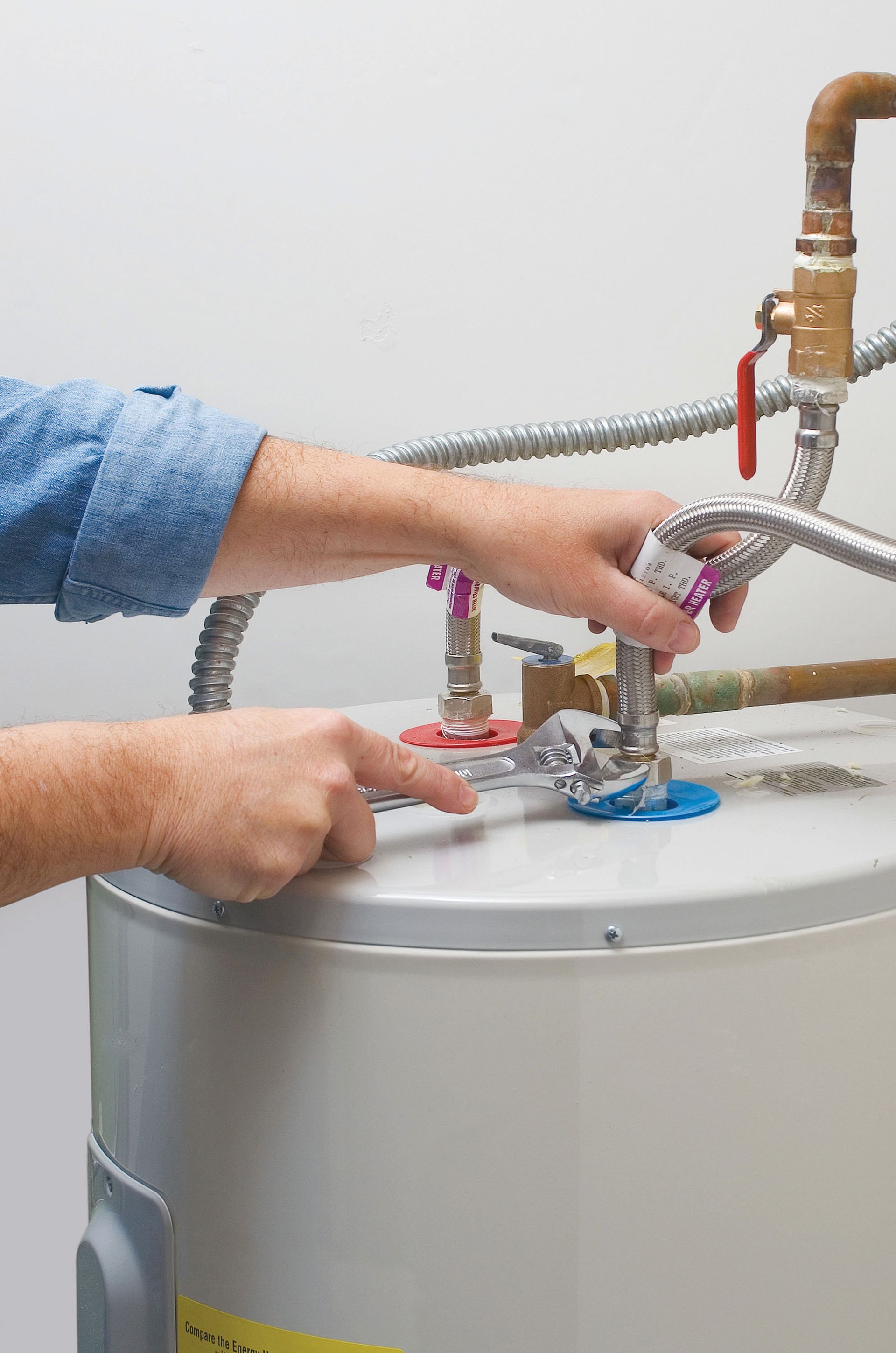
Most of those failures start with corrosion that nobody sees. Every tank heater contains a sacrificial anode rod, a component designed to corrode so that the tank does not. Once it is used up, the tank itself starts rusting from the inside out.
A technician can inspect the anode rod and replace it when it is depleted, which effectively resets that protection. They will also look for small weeping leaks at the base and around the pipe connections, where a minor rust spot can turn into a burst tank with very little warning.
Consistent Hot Water
A shower that turns cold halfway through, or a tap that takes an age to run warm, is usually a maintenance problem rather than a failing unit.
On an electric heater, sediment can bury the lower element until it fails, leaving the upper element to do all the work. You get hot water, but far less of it and far more slowly. On a gas unit, a dirty burner produces an inconsistent flame, so the thermostat struggles to hold a steady temperature.
There is also the dip tube, a plastic pipe that carries incoming cold water to the bottom of the tank to be heated. If it cracks or corrodes, cold water mixes straight into the hot water at the top, and everything at the tap comes out lukewarm. All three are found and fixed during a routine service.
Fewer Emergencies
Water heaters tend to fail at the worst possible time, during the coldest weeks of the year or when the house is full of guests.
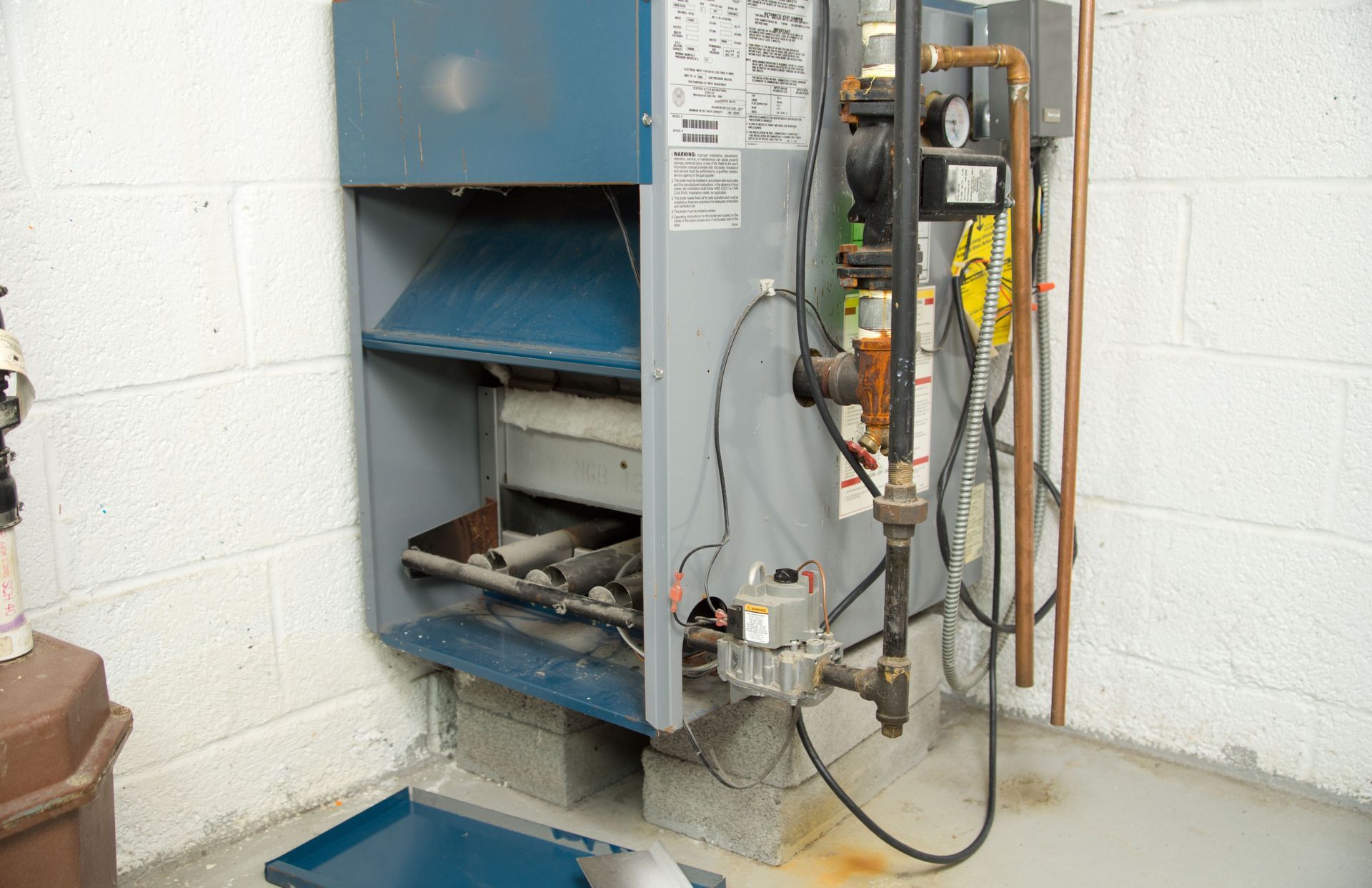
A routine visit catches the parts that are on their way out, such as a failing thermocouple, a pilot assembly with soot buildup, or a thermostat that has started to drift, and replaces them before they take the whole system down. Small components are inexpensive. The larger parts they damage when they fail are not, and emergency service calls carry emergency pricing.
Planned maintenance also means the work happens on your schedule rather than in the middle of a crisis.
Maintaining your water heater is one of the cheapest ways to protect your home and avoid the cold shower entirely. It costs far less than the failure it prevents.
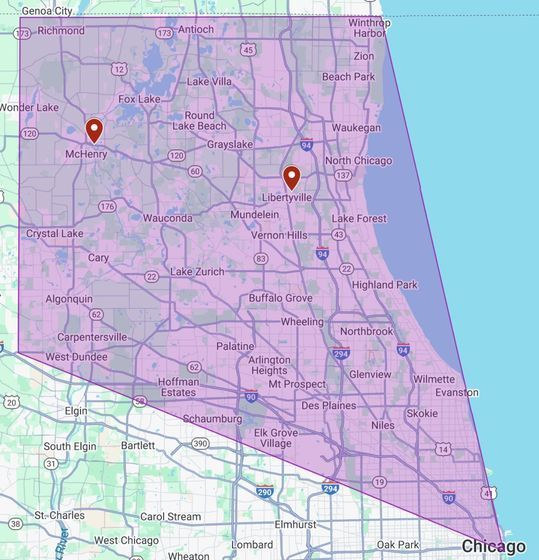
TOPTEC Heating, Cooling, Plumbing & Electrical has served Chicagoland homeowners for over 30 years. To book a water heater service, call (847) 362-0262 or schedule online.
Ongoing maintenance is also included in the TOPTEC Home Care Club®.