The sewer line running under your property is easy to forget about until the day it stops working. Then it becomes the most urgent thing in the house.
When drains back up or empty slowly, the temptation is to reach for a bottle of drain cleaner and hope. Sewer lines are one of the few areas of a home where that instinct is genuinely worth resisting, and here is why.
It Is a Health Issue, Not Just a Plumbing One
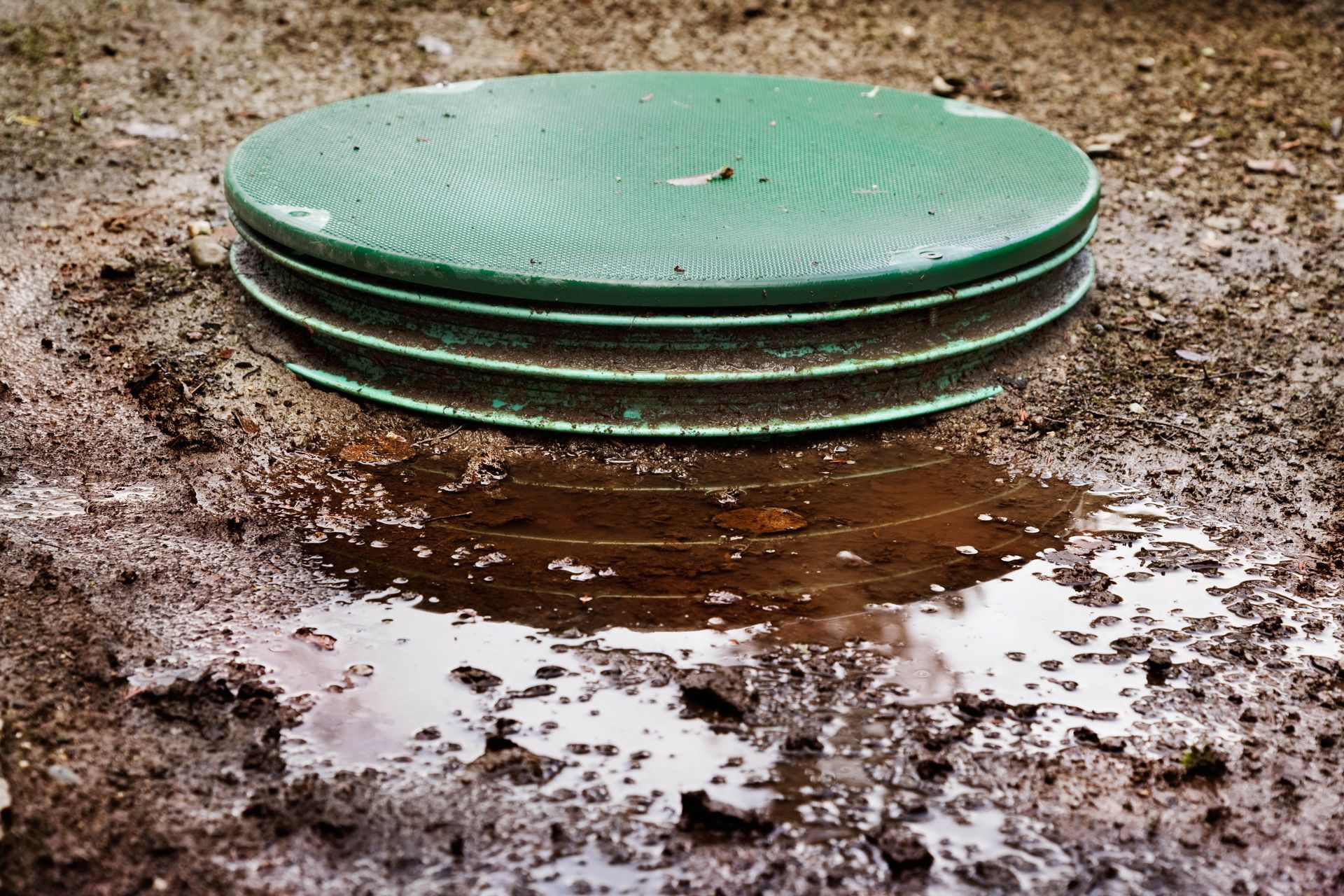
A damaged waste line is not simply inconvenient. Raw sewage carries bacteria and pathogens, and it produces gases you do not want in an enclosed space.
When a line leaks into the soil or backs up into the house, containment matters as much as the repair itself. Professional technicians work to protocols designed to stop contamination from spreading through the rest of the property, and they have the equipment to handle it safely.
An amateur fix that leaves waste seeping into the ground under your house creates a mold and contamination problem that outlasts the original blockage by years.
The Diagnosis Is the Hard Part
Finding a fault in an underground pipe used to mean excavating until you located it. That is no longer how it is done.
A waterproof camera fed into the line shows the interior of the pipe in real time, which identifies both the exact location and the actual nature of the problem. That distinction matters enormously, because a grease clog, a root intrusion, and a collapsed section of pipe need three entirely different repairs.
Getting that right the first time is what prevents your yard from being dug up unnecessarily, and it is why an accurate diagnosis is worth more than a fast one.
A Bad Repair Fails Again
Sewer lines are under constant pressure from shifting soil, tree roots, and gradual corrosion. A repair that does not account for that creates a weak point that fails again within months.
Trenchless methods such as pipe lining and pipe bursting restore the line without excavating the length of the run, and they are done to last rather than to get you through the season. Recurring failures in the same section are a warning sign, because a leaking sewer line can undermine the ground around your foundation over time.
The Work Has to Be Compliant
Sewer connections are regulated because they affect the public water supply and the wider environment. Work on these lines needs to meet local building codes, and depending on the scope, it may require permits and inspection.
A licensed contractor knows what applies and documents the work accordingly. Unpermitted work on a sewer line can create problems well beyond the repair itself, including complications when you come to sell the property.
It Is Usually Cheaper
The professional quote often looks higher than the cost of attempting it yourself. That comparison rarely holds once you account for what goes wrong.
Secondary damage is the expensive part: a flooded basement, a ruined yard, or a repair that fails and takes the surrounding pipe with it. A camera inspection also tends to reveal the developing problems further along the line, which is the difference between fixing one section now and replacing the whole run in two years.
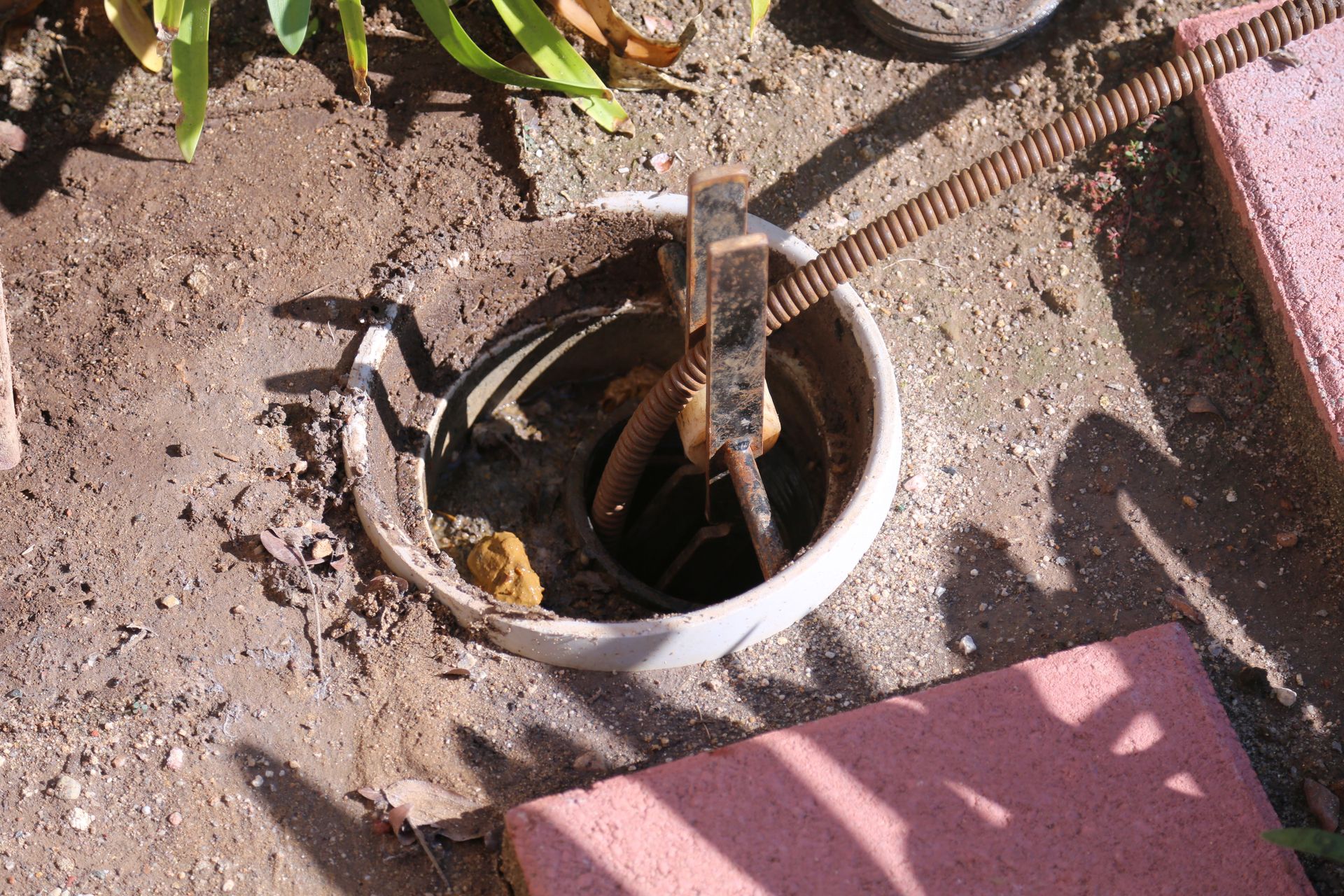
Equipment is the other issue. Industrial hydro-jetting units, mechanical augers, and pipelining rigs are not hardware store purchases, and a main line cannot be cleared properly without them.
Getting Your Home Back
A broken sewer line affects everything: cooking, cleaning, washing, the lot. The practical goal of any repair is getting the household running again quickly and leaving the site clean.
That is worth asking about when you choose a contractor. How long will the work take, how much of the yard will be disturbed, and what will it look like when they leave?
Slow drains across several fixtures, gurgling from the toilet, unpleasant smells around the property, or an area of the yard that stays soggy without explanation are all worth investigating before they become an emergency.
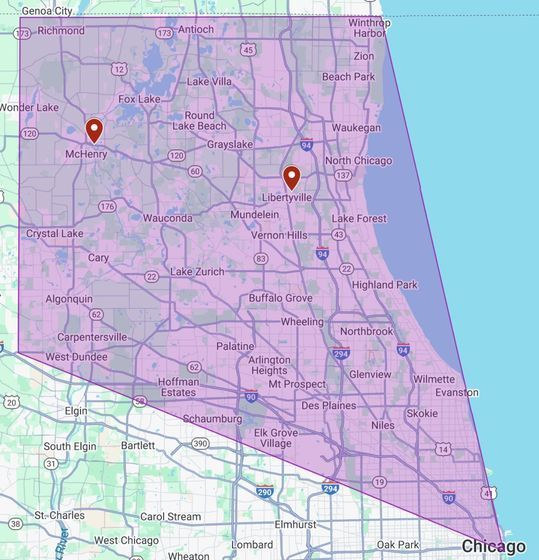
TOPTEC Heating, Cooling, Plumbing & Electrical has served the Chicagoland area for over 30 years, with 24-hour emergency service. For a sewer line inspection or repair, call (847) 362-0262 or schedule online.