November 15, 2026
Stepping into a comfortable home during freezing weather provides a sanctuary from biting winds. Modern residential electric heating assemblies function as vital domestic lifelines, operating silently to deliver continuous warmth throughout living quarters. Unlike combustion appliances that rely on flammable natural gas, heating oil, or complex burner manifolds, an electric heating unit utilizes high-resistance metal alloy coils that transform electrical energy directly into thermal warmth. When blowers push chilled return air across these glowing coils, heat transfers rapidly into the airstream, warming rooms within minutes. However, because electric heating coils endure intense thermal cycling, repeated expansion, and continuous electrical current day after day, physical component fatigue remains an inevitable operational reality. Over passing winter seasons, brittle resistance wire can sag, crack, or short against grounded metal cabinetry, leaving families shivering in chilly rooms as blowers circulate unheated air. When heating output collapses, property owners face critical decisions regarding equipment maintenance; indeed, according to HomeGuide, furnace service costs depend on factors like brand, efficiency, and labor, though most warranties cover parts for five to 10 years while excluding labor costs. This standard warranty limitation demonstrates why property owners must understand mechanical symptoms, safety protocols, and component diagnostics before scheduling service. Sourcing experienced guidance for electric heating restoration restores dependable indoor climate comfort, protects expensive circuitry, and extends equipment operational life. Recognizing the technical steps involved in coil replacement empowers homeowners to make informed maintenance decisions. Prioritizing restorative care preserves equipment investments and guarantees lasting peace of mind across every winter freeze.
Diagnosing Failed Heating Coils and Recognizing Warning Symptoms
The initial phase of restoring an electric heating system begins with recognizing the telltale operational symptoms that signal coil degradation or total electrical failure. When an individual resistance coil breaks, the electric unit often continues to run its primary blower fan, creating a deceptive scenario where air flows from supply registers but feels room-temperature or faintly cool. In multi-stage systems, separate coil banks work in tandem to satisfy thermostat demands; when a coil fractures, remaining elements struggle, forcing equipment to run continuously while driving utility bills upward. Sourcing timely furnace repair prevents minor resistance fractures from cascading into total mechanical shutdowns. Furthermore, damaged heating coils frequently emit burning odors, trip breakers, or produce popping sounds as severed wire ends arc against metal casings. Homeowners should observe whether their system short-cycles due to tripped high-limit switches that overheat when broken sections sag into air passages. Identifying these warning indicators early protects blower motors from overheating and allows technicians to target failing components quickly.
Disconnecting High-Voltage Power and Verifying Total De-Energization
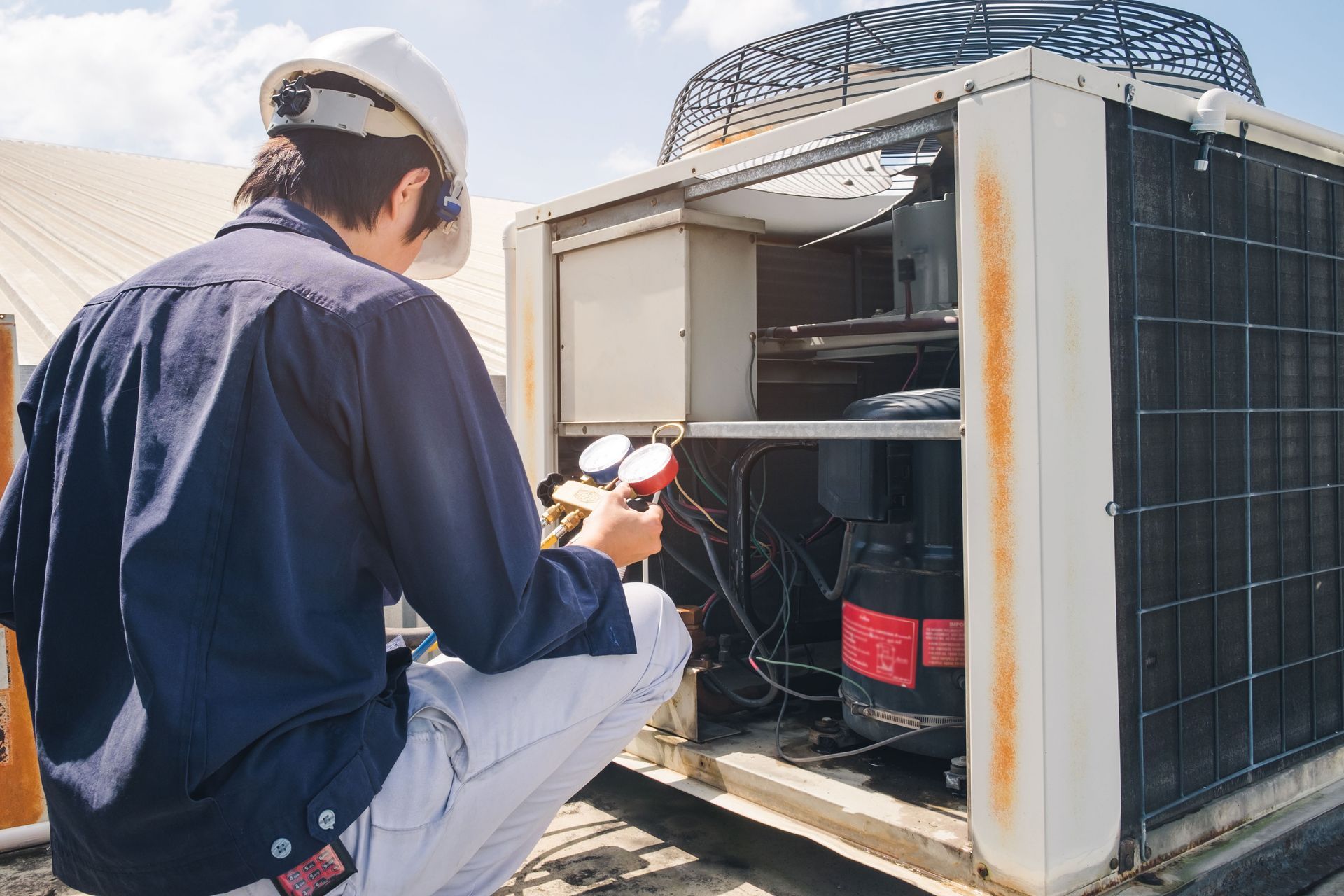
Replacing electric heating element assemblies involves working near lethal currents, demanding strict adherence to electrical safety procedures. Electric heating units operate on heavy utility feeds carrying immense current that can cause fatal trauma if handled carelessly. Before removing any cabinet service screws or touching internal wiring harnesses, technicians must switch off dedicated double-pole circuit breakers in the main electrical distribution panel, as well as the external disconnect switch mounted near the air handler cabinet. Sourcing professional furnace repair guarantees that certified technicians follow OSHA safety guidelines, utilizing calibrated digital multimeters to test incoming wire lugs for residual voltage. Technicians test voltage between incoming hot legs and chassis ground, ensuring zero electrical potential remains. Never assume a system is dead simply because a thermostat is turned down, as control relays can re-energize circuits unexpectedly. Verifying absolute electrical de-energization establishes an essential foundation of physical safety, protecting technicians and property from disastrous electrical short circuits.
Accessing Internal Cabinets and Removing Damaged Element Assemblies
Once complete electrical de-energization is verified, technicians can open the protective sheet-metal enclosure to extract the compromised heating element assembly. Heating coils are mounted on specialized metal frames or sliding slide-in racks secured by retaining screws and insulated porcelain terminal blocks. Technicians label wiring connections meticulously before detachment, ensuring power leads, thermal limit sensors, and fusible safety links return to precise factory locations during reassembly. When scheduling furnace repair, property owners benefit from skilled technicians who utilize non-marring tools to remove rusted fasteners without stripping sheet-metal housings. The technician detaches terminals, loosens brackets, and slides the element assembly forward out of the chamber. During extraction, technicians exercise caution to avoid snagging brittle ceramic insulators or bending delicate airflow baffles. Removing the element carrier rack exposes the heating coils completely, allowing for detailed visual inspection of fractured alloy windings, burned terminal connections, or melted fusible links.
Testing Resistance Values and Inspecting Surrounding Safety Controls
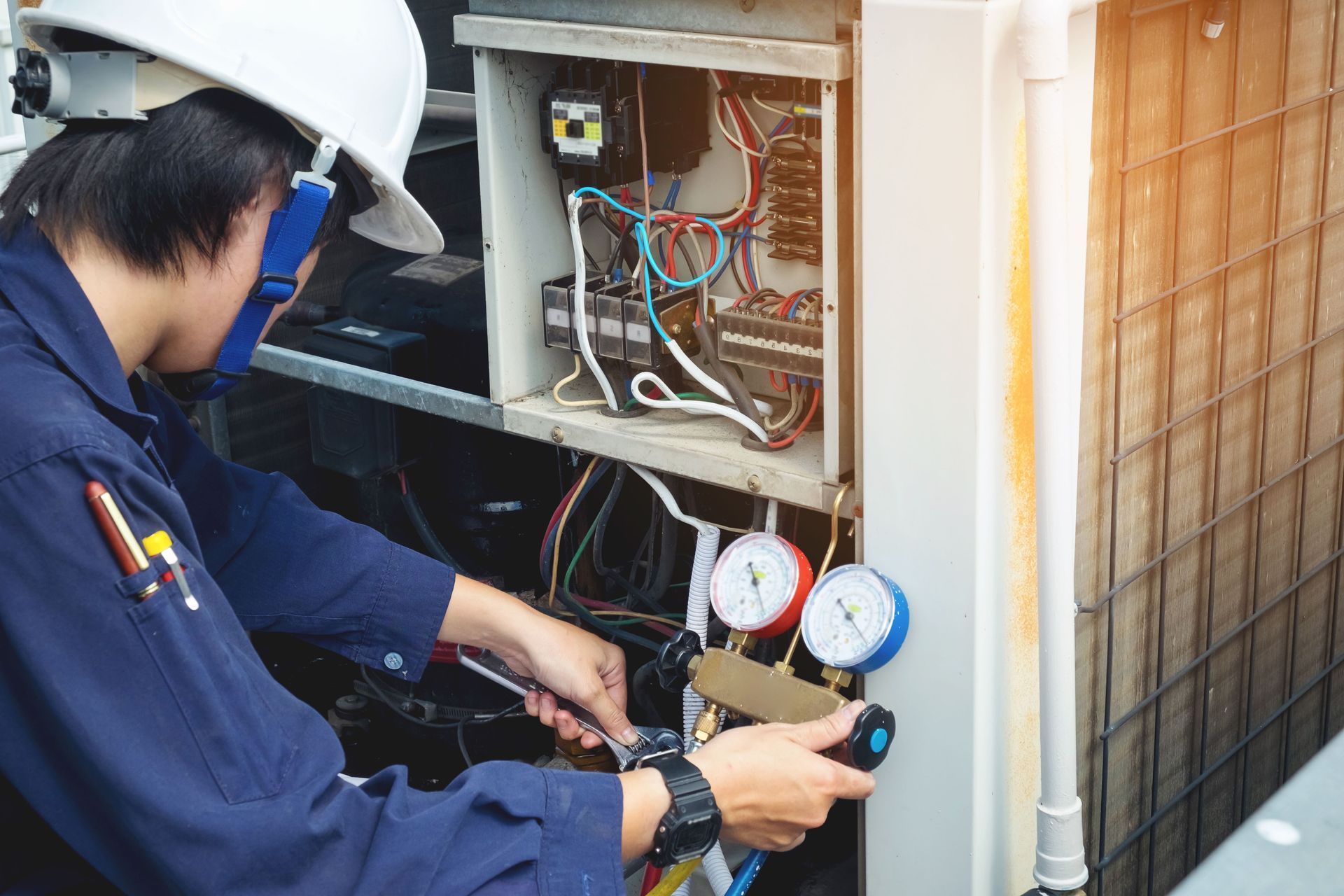
With the heating element assembly resting on a clean service bench, the technician conducts rigorous diagnostic testing using digital multimeters to pinpoint the exact failure point. Technicians set meters to measure electrical resistance in ohms, placing test probes across the terminals of each individual heating coil. An intact coil displays a continuous circuit with low ohm readings, confirming electrical current passes smoothly through the alloy wire. Conversely, a fractured coil displays an open loop reading, indicating the wire has snapped and severed the circuit. Sourcing comprehensive furnace repair ensures that technicians evaluate surrounding safety devices alongside the primary heating coils. Technicians test continuity across high-limit safety thermostats, confirming that thermal switches close properly at ambient room temperatures and open when exposed to dangerous heat levels. Furthermore, technicians inspect thermal fusible links that melt to cut power if primary switches fail. Testing connected safety controls guarantees newly installed coils operate within strict thermal boundaries.
Installing Replacement Coils and Securing Ceramic Insulators
Restoring the heating assembly requires installing an exact factory-specified replacement coil or rebuilding the assembly using commercial-grade nickel-chromium resistance wire. When restringing wire coils into metal frames, technicians stretch the wire uniformly to prevent uneven spacing that creates hot spots and premature sagging. The coiled wire is threaded through grooved ceramic insulators that hold the alloy suspended without touching grounded casing walls. Choosing certified furnace repair connects homeowners with technicians who replace chipped, cracked, or loose ceramic bushings, preventing energized wires from vibrating loose and creating hazardous short circuits. Technicians crimp heavy-duty nickel-plated terminal connectors tightly onto coil ends, ensuring that connections resist thermal oxidation and high operating temperatures. After mounting coils securely, technicians slide the assembly back into the cabinet, align baffles, and torque screws to factory specifications. Reconnecting wiring leads to appropriate terminal studs ensures seamless electrical integration.
Understanding the mechanical anatomy and maintenance requirements of electric heating coils transforms sudden winter heating failures from panic-inducing crises into manageable restorative procedures. Electric heating elements endure tremendous thermodynamic stress throughout cold seasons, and timely coil replacement restores factory heating capacity without the immense expense of complete system replacement. By recognizing early warning signs, observing strict electrical safety disconnects, removing assemblies carefully, testing resistance values, restringing coils with ceramic insulation, and verifying limit controls, technicians achieve flawless operational restorations. Bypassing uncertified handymen in favor of licensed heating specialists guarantees that high-voltage electrical connections meet strict national codes and factory tolerances. Proactive equipment stewardship prevents sudden winter breakdowns, lowers monthly utility bills, and preserves expensive heating machinery. Prioritizing mechanical craftsmanship safeguards capital, defends household comfort, and guarantees lasting peace of mind across every season.
At TOPTEC Heating, Cooling, Plumbing & Electrical, our dedicated team brings deep electrical heating expertise, state-of-the-art diagnostic instruments, and an unwavering commitment to craftsmanship on every residential service call we guide, ensuring your system achieves maximum heating efficiency, unyielding operational safety, and extraordinary indoor comfort across every chilly day. Contact us today or visit our local office to schedule your comprehensive heating evaluation and discover the lasting benefits of working with trusted trade professionals.